Are Air Duct Add-Ons Like Coil Cleaning Worth It in Ashland?
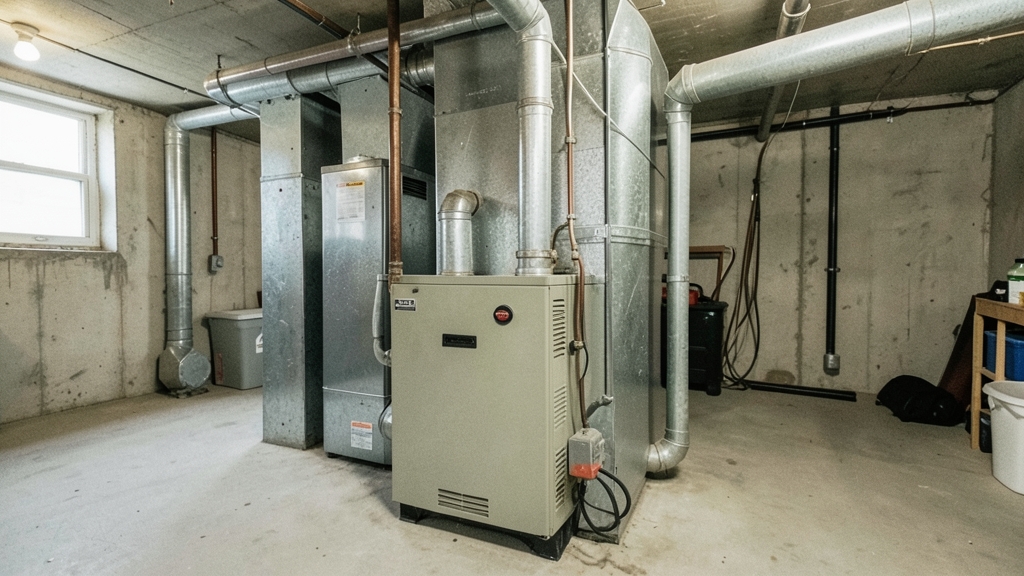
Homeowners in Ashland often ask if add-ons like coil cleaning, UV sanitization, or mold treatment are just upsells. The truth? Some deliver measurable gains in efficiency and indoor air quality, while others depend on your system’s condition and local climate. We break down what’s worth the investment—and what’s not.
Why Add-Ons Are Even on the Table
Duct cleaning alone removes dust, debris, and allergens from your supply and return runs. But if your evaporator or condenser coils are fouled, airflow and heat exchange suffer—even after ducts are spotless.
Ashland’s dry summers and damp winters can accelerate coil buildup, especially in older systems or homes near wooded areas like Lithia Park. That’s where targeted add-ons come into play.
Coil Cleaning: The Efficiency Game-Changer
Dirty coils force your HVAC to work harder, hiking energy use and shortening equipment life. A thorough coil cleaning can restore 10–30% of lost efficiency, per industry field tests.
We use high-pressure air, soft brushes, and EPA-approved detergents to avoid damaging delicate aluminum fins. For heavily fouled coils, a foam cleaner may be needed to break down grease and microbial films.
Ask for before-and-after photos of your coils. Clean coils should appear bright and free of dark staining or cotton-like growth.
UV Light & Sanitization: When It’s More Than Marketing
UV-C systems installed in the ductwork or air handler neutralize mold, bacteria, and viruses as air passes by. In Ashland’s humid shoulder seasons, they can prevent microbial regrowth between cleanings.
Effectiveness depends on bulb placement, wattage, and exposure time. A single lamp near the coil kills surface mold; a whole-duct system tackles airborne pathogens.
Mold & Mildew Treatment: Not Just for Flood Zones
Even without water damage, ducts can harbor mold if moisture lingers. Our team uses EPA-registered biocides to treat visible growth and prevent recurrence, followed by HEPA vacuuming to capture dead spores.
If you smell musty odors or see dark staining around vents, request an indoor air quality test. Ashland’s older homes in the Railroad District or hillside properties are especially prone to hidden moisture issues.
Avoid companies that ‘fog’ ducts with ozone or unproven chemicals. These can damage HVAC components and leave harmful residues.
Dryer Vent Cleaning: The Overlooked Fire Hazard
Lint buildup in dryer vents is a leading cause of house fires. A professional cleaning removes blockages, improves drying times, and can cut energy costs by up to 30%.
We serve Ashland, Talent, and Phoenix with dedicated vent cleaning rigs. Unlike DIY methods, our brushes and vacuums reach deep into the vent line, including the hard-to-access transitions behind the dryer.
Air Filter Replacement vs. Upgrades: What’s the Difference?
Swapping a dirty filter is basic maintenance. Upgrading to a high-MERV (11–13) or HEPA filter can capture finer particles—but only if your system can handle the added static pressure.
In Ashland’s wildfire season, a MERV 13 filter is a smart upgrade. Just ensure your blower motor and ductwork are rated for it; otherwise, airflow restrictions can cause more harm than good.
| Filter Type | MERV Rating | Captures | Best For |
|---|---|---|---|
| Fiberglass | 1–4 | Dust, lint | Basic protection |
| Pleated | 5–8 | Pollen, dust mites | Allergy relief |
| High-Efficiency | 9–12 | Pet dander, mold spores | Better IAQ |
| HEPA | 13+ | Bacteria, smoke, viruses | Medical-grade or wildfire zones |
Commercial Duct Cleaning: Bigger Systems, Bigger Stakes
Restaurants, schools, and offices in Medford, Central Point, or Jacksonville often have complex duct networks. Commercial coil cleaning and sanitization can improve airflow, reduce sick days, and comply with OSHA or health department standards.
We use negative air machines and containment barriers to prevent cross-contamination during large-scale jobs. For kitchens, grease removal from ducts is critical to prevent fire risks.
Signs Your Commercial System Needs Attention
- Uneven temperatures across zones
- Visible dust or debris near vents
- Increased energy bills without explanation
- Employee complaints about odors or allergies
How to Decide What’s Worth It for Your Ashland Home
Start with a duct inspection. If coils are clean and filters are fresh, UV or mold treatments may be unnecessary. But if you’ve got pets, allergies, or an older system, add-ons often pay for themselves in energy savings and health benefits.
Request a quote that itemizes each service. A reputable team will explain the ‘why’ behind every recommendation—not just the cost.
How to Inspect Your Ducts and Coils Before Calling a Pro
A quick visual check can help you decide if add-ons might be justified.
- 1Check the Air Filter
Hold it up to a light. If you can’t see light passing through, it’s clogged and reducing airflow to your coils.
- 2Inspect Supply and Return Vents
Remove vent covers and shine a flashlight inside. Look for dust buildup, mold, or debris within the first few feet.
- 3Examine the Evaporator Coil
Locate the indoor coil (usually behind the air handler access panel). If it’s coated in dust or has a musty smell, cleaning is likely needed.
- 4Test Airflow
Hold a tissue near supply vents. Weak airflow could signal dirty coils, a clogged filter, or duct blockages.
- 5Listen for Unusual Noises
Whistling or rattling may indicate restricted airflow or loose ductwork, both of which can strain your system.
Frequently Asked Questions
How often should I get my coils cleaned in Ashland?
Every 3–5 years for most homes, but annually if you have pets, allergies, or live in a dusty area. Ashland’s seasonal pollen and wildfire smoke can accelerate buildup, so inspect coils yearly.
Does UV light in ducts really work?
Yes, but only if installed correctly. UV-C lamps must be sized for your system’s airflow and placed where air passes slowly enough for exposure. They’re most effective for mold and bacteria, not dust or allergens.
Can dirty coils make my AC freeze up?
Absolutely. Restricted airflow from dirty coils causes refrigerant to overcool, leading to ice formation on the coil. This can damage compressors and require costly repairs.
Is mold treatment safe for my family and pets?
When done by professionals using EPA-approved products, yes. We use low-toxicity biocides and ensure thorough ventilation. Always confirm the products used are registered for HVAC applications.
Do you serve areas outside Ashland?
Yes, we provide air duct cleaning, coil cleaning, and related services in Talent, Phoenix, Medford, Jacksonville, and Central Point. Local climate and housing styles vary, so we tailor our approach to each area.
Will add-ons like coil cleaning lower my energy bills?
Clean coils improve heat exchange, reducing runtime and energy use. The savings depend on your system’s age and condition, but homeowners often see a noticeable drop in costs after cleaning.