Common Contaminants Found in Ashland HVAC Systems and How We Remove Them
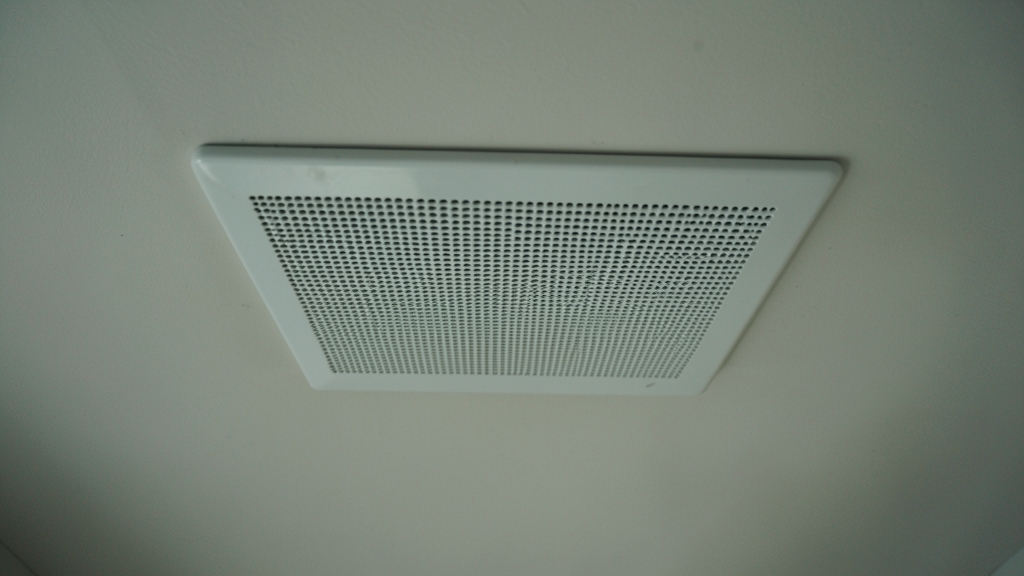
Southern Oregon’s seasonal shifts and dry summers create ideal conditions for contaminants to accumulate in HVAC systems. We’ve seen firsthand how dust, mold, and even rodent debris degrade air quality—and how thorough duct cleaning restores it.
Why Ashland’s Climate Encourages Duct Contamination
Our region’s warm, dry summers and damp winters accelerate dust and organic buildup in ductwork. Without regular airflow, these particles settle deep in the system, beyond the reach of standard filters.
Nearby areas like Medford and Talent share similar challenges, where seasonal pollen and wildfire smoke can infiltrate HVAC systems, worsening indoor air quality.
Top Contaminants We Find in Local Ducts
Dust and dirt are the most visible, but they’re often mixed with finer particulates like pet dander and textile fibers from furniture and carpets.
Biological contaminants thrive in moist environments. In Ashland, mold spores and bacteria can take hold in ducts with condensation or poor sealing, especially after wet winters.
Pollen is a seasonal nuisance, blown in through open windows or vents. Even with closed systems, it accumulates in filters and duct lining over time.
| Contaminant | Primary Source | Health Impact |
|---|---|---|
| Dust and Debris | Airflow, foot traffic, construction | Respiratory irritation, reduced HVAC efficiency |
| Pet Dander | Pets, upholstery, carpets | Allergies, asthma triggers |
| Mold Spores | Moisture, poor ventilation, organic matter | Respiratory infections, musty odors |
| Pollen | Outdoor air, open windows, vents | Seasonal allergies, sinus issues |
| Rodent Droppings | Pests in attics or crawl spaces | Disease risk, foul odors |
| VOCs (Volatile Organic Compounds) | Cleaning products, new furniture, off-gassing | Headaches, dizziness, long-term health risks |
The Hidden Threats: Biological and Chemical Contaminants
Mold isn’t just unsightly—it releases mycotoxins that can circulate through your home. We often find it in systems with poor drainage or after water damage.
VOCs from household products or new construction materials can off-gas into ducts, lingering long after the source is removed. Proper ventilation and air duct cleaning mitigate this.
Bacteria and viruses can also hitch a ride on dust particles, especially in high-traffic homes or commercial spaces in Central Point or Phoenix.
DIY cleaning won’t reach hidden mold colonies. Our team uses EPA-approved treatments to safely remove and prevent regrowth in ductwork.
How Contaminants Affect Your HVAC System and Health
Clogged ducts force your HVAC to work harder, increasing energy costs and shortening the lifespan of components like blower motors and evaporator coils.
Poor indoor air quality exacerbates allergies, asthma, and other respiratory conditions. Children, the elderly, and pets are especially vulnerable.
In commercial settings, like businesses in Medford or Jacksonville, contaminated ducts can lead to employee absenteeism and reduced productivity.
Signs Your Ducts Need a Professional Cleaning
Visible dust blowing from vents is a clear red flag. If you notice dust settling on furniture shortly after cleaning, your ducts may be the culprit.
Musty or stale odors often indicate mold or mildew. These smells persist because contaminants recirculate through the system with every cycle.
Uneven airflow or whistling noises can signal blockages. In older homes, rodent nests or collapsed duct sections may be to blame.
When to Schedule a Duct Inspection
- Visible mold growth on vents or ductwork
- Increased allergy or asthma symptoms indoors
- Recent home renovations or construction
- Pest infestations in attics or crawl spaces
- HVAC system is over 5–10 years old without cleaning
- Noticeable dust buildup on air filters within a month
Our Process for Removing Contaminants in Ashland Homes
We start with a visual inspection using cameras to assess the extent of contamination in your ductwork, coils, and blower components.
High-powered vacuums and agitation tools dislodge debris, while HEPA filtration ensures contaminants are captured, not redistributed.
For mold or bacterial issues, we apply EPA-approved sanitizers. UV light treatments can also be installed to prevent future microbial growth.
Dirty evaporator and condenser coils reduce efficiency by up to 30%. We include HVAC coil cleaning in our comprehensive service to maximize airflow and energy savings.
Preventing Future Contamination
Regular air filter replacement is your first line of defense. We recommend high-efficiency filters (MERV 8–13) for most Ashland homes, balanced with your system’s airflow capacity.
Sealing duct leaks prevents outdoor pollutants from entering. In older homes, this also improves energy efficiency and comfort.
Consider adding a whole-house air purifier or UV sanitization system. These are especially useful in high-pollen seasons or for households with respiratory sensitivities.
How to Check Your Ducts for Contaminants
A quick self-inspection can reveal whether your ducts need professional attention.
- 1Remove and Inspect Vent Covers
Use a screwdriver to remove a few vent covers. Shine a flashlight inside to look for dust buildup, mold, or debris.
- 2Check for Visible Mold or Odors
If you see black or greenish spots or smell a musty odor, mold is likely present. Avoid disturbing it—call a professional.
- 3Test Airflow Strength
Hold a tissue near the vents. Weak airflow or uneven distribution may indicate blockages in the ductwork.
- 4Inspect the Air Filter
A clogged filter is a sign of heavy contamination. If it’s gray or black within a month of replacement, your ducts may need cleaning.
- 5Listen for Unusual Noises
Whistling, rattling, or banging sounds can signal loose debris or structural issues in the ducts.
Frequently Asked Questions
How often should I have my air ducts cleaned in Ashland?
We recommend every 3–5 years for most homes, but households with pets, allergies, or recent renovations may need it more frequently. Factors like local pollen levels and wildfire smoke can also shorten the interval.
Can dirty ducts make my allergies worse?
Absolutely. Dust mites, pet dander, and pollen trapped in ducts circulate through your home, triggering allergy and asthma symptoms. Professional cleaning significantly reduces these irritants.
What’s the difference between air duct cleaning and HVAC coil cleaning?
Air duct cleaning focuses on the ductwork, while HVAC coil cleaning targets the evaporator and condenser coils. Both are critical for efficiency and air quality, and we often perform them together for best results.
Do you serve areas outside Ashland?
Yes, our team provides air duct cleaning and related services across Southern Oregon, including Talent, Phoenix, Medford, Jacksonville, and Central Point.
Is mold in ducts dangerous?
Yes. Mold in ductwork can release spores and mycotoxins into your living spaces, posing health risks—especially for those with compromised immune systems. Professional remediation is essential.
How do I know if my ducts have rodent droppings?
Look for small, dark pellets near vents or in attic/crawl space access points. A foul, ammonia-like odor is another red flag. If you suspect rodents, avoid handling droppings and call us for safe removal.