DIY vs. Professional Air Duct Cleaning: What Ashland Residents Need to Know
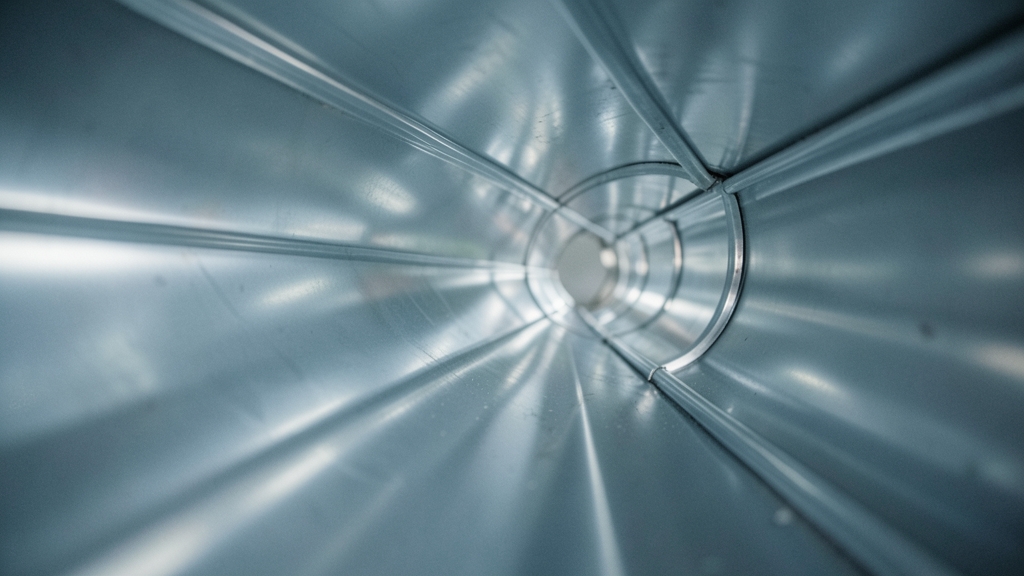
Ashland’s dry summers and damp winters create the perfect storm for dust, pollen, and even wildfire smoke to clog your ductwork. While DIY cleaning might seem tempting, professional tools and techniques often make the difference between a surface fix and a truly clean system. We break down what each approach delivers—and what it leaves behind.
Why Duct Cleaning Matters in Southern Oregon
Our region’s seasonal swings mean ducts collect everything from pine pollen to woodstove ash. Poor indoor air quality can trigger allergies, worsen respiratory issues, and force your HVAC to work overtime.
Clogged ducts also reduce airflow, spiking energy costs and shortening system lifespan. In homes near Talent or Medford, wildfire smoke residue can linger in ductwork long after the air clears outside.
What DIY Duct Cleaning Actually Involves
Most DIY methods start with a shop vacuum and a brush attachment. You might reach a few feet into the vents, but standard tools can’t dislodge deep-seated debris in the main trunk lines.
Household vacuums lack the suction power to pull contaminants through the entire system. Without negative air pressure, dust and allergens often get redistributed rather than removed.
Improper tools can puncture flex ducts or dislodge fiberglass lining, creating costly repairs. Always inspect duct material before attempting any cleaning.
The Professional Advantage: Tools and Techniques
Our team uses high-efficiency vacuums with HEPA filtration to trap particles as small as 0.3 microns. Rotary brushes and air whips agitate debris in every branch of the ductwork, while negative air machines ensure contaminants are pulled out—not pushed further in.
For stubborn mold or mildew, we apply EPA-approved sanitizers. UV light purification systems can also be installed to keep ducts cleaner longer, especially in humid areas like Jacksonville.
DIY vs. Professional: A Side-by-Side Comparison
The gaps between DIY and professional cleaning become clear when you look at reach, effectiveness, and long-term results. While DIY can tackle visible dust near vents, professionals address the entire system, including hard-to-reach areas like the blower motor and coils.
| Factor | DIY | Professional |
|---|---|---|
| Reach | Surface-level (first few feet) | Entire system, including trunk lines and coils |
| Equipment | Household vacuum, basic brushes | HEPA vacuums, rotary brushes, air whips, negative air machines |
| Contaminant Removal | Partial (redistributes some debris) | Comprehensive (traps and removes 99%+ of particles) |
| Mold/Mildew Treatment | None (risk of spreading spores) | EPA-approved sanitizers, UV light options |
| Time Required | 1-3 hours (per room) | 2-5 hours (whole home, depending on size) |
| Safety | Risk of damage to ducts or HVAC | Trained technicians, NADCA-certified methods |
| Long-Term Air Quality | Short-term improvement | Sustained improvement, especially with add-ons like UV purification |
When DIY Might Make Sense
If your ducts are relatively new and you only notice light dust near the vents, a thorough DIY cleaning can be a stopgap. Use a vacuum with a long hose and a brush attachment to clean accessible sections.
DIY is also useful for maintenance between professional cleanings. Replace air filters regularly and check vents in high-traffic areas like kitchens or near pet spaces in Central Point.
DIY Duct Cleaning Safety Checklist
- Turn off the HVAC system at the thermostat and breaker
- Inspect ducts for damage or loose connections before starting
- Use a vacuum with a HEPA filter to avoid recirculating dust
- Wear an N95 mask and gloves to protect against allergens
- Avoid using harsh chemicals that could damage ductwork
Signs You Need a Professional
Visible mold growth inside ducts or on HVAC components is a red flag. Musty odors, excessive dust around vents, or unexplained allergy flare-ups also signal it’s time to call in experts.
If you’ve recently moved into an older home in Ashland or Phoenix, professional cleaning ensures no leftover construction debris or decades of dust are circulating. Commercial properties require professional-grade equipment due to larger systems.
What to Expect During a Professional Cleaning
We start with a visual inspection using a borescope camera to assess duct condition and contamination levels. This helps tailor the cleaning to your system’s needs.
Next, we seal the system and create negative air pressure to pull debris toward our collection unit. Rotary brushes and compressed air tools dislodge buildup, while HEPA vacuums capture it all.
For homes with persistent mold or odors, we often recommend HVAC coil cleaning or UV light installation. These services extend the life of your cleaning and improve air quality.
Cost Factors: What Drives the Price?
The size of your home, duct material, and level of contamination all influence the final cost. Larger homes in Medford or Talent with complex ductwork require more time and equipment.
Add-ons like sanitization, UV light installation, or dryer vent cleaning also affect pricing. Request a quote to get a precise estimate tailored to your system.
How to Maintain Clean Ducts Between Professional Cleanings
Regular upkeep keeps your system running efficiently and extends the life of your professional cleaning.
- 1Replace Air Filters Regularly
Check filters monthly and replace them every 1-3 months, depending on usage. High-efficiency filters capture smaller particles but may need more frequent changes.
- 2Vacuum Vents and Registers
Use a vacuum with a brush attachment to clean vent covers and registers. This prevents dust from entering the ductwork.
- 3Seal Duct Leaks
Inspect ducts for gaps or disconnections, especially in attics or crawl spaces. Use mastic sealant or metal tape to seal leaks and improve efficiency.
- 4Control Indoor Humidity
Use dehumidifiers in damp areas to prevent mold growth. Aim for indoor humidity levels between 30-50% to discourage mold and mildew.
- 5Schedule Annual HVAC Maintenance
Have a professional inspect your HVAC system annually. This includes checking coils, blower motors, and ductwork for signs of wear or contamination.
Frequently Asked Questions
How often should I have my air ducts cleaned in Ashland?
We recommend professional cleaning every 3-5 years for most homes, but factors like pets, allergies, or recent renovations may require more frequent service. Homes in areas with high pollen or wildfire smoke, like Talent or Phoenix, may benefit from cleaning every 2-3 years.
Can DIY duct cleaning damage my HVAC system?
Yes. Using the wrong tools or techniques can puncture ducts, dislodge insulation, or even damage HVAC components. Improper cleaning can also spread contaminants further into the system, worsening indoor air quality.
What’s the difference between duct cleaning and HVAC coil cleaning?
Duct cleaning focuses on removing debris from the ductwork, while HVAC coil cleaning targets the evaporator and condenser coils. Clean coils improve efficiency and prevent mold growth, but require specialized tools and training.
Does duct cleaning help with allergies?
Absolutely. Removing dust, pollen, pet dander, and mold spores from your ducts can significantly reduce allergy symptoms. For best results, pair duct cleaning with indoor air quality testing and regular filter changes.
How do I know if my ducts have mold?
Visible mold growth, musty odors, or unexplained respiratory issues are common signs. A professional inspection with a borescope camera can confirm mold presence. If mold is found, sanitization treatments are often recommended.
Is duct cleaning worth it for rental properties in Medford or Central Point?
Yes, especially for landlords. Clean ducts improve tenant satisfaction, reduce HVAC maintenance costs, and can even extend the life of the system. It’s also a selling point for prospective tenants concerned about air quality.