Foil Tape vs. Mastic for Duct Repairs in Ashland: How to Choose
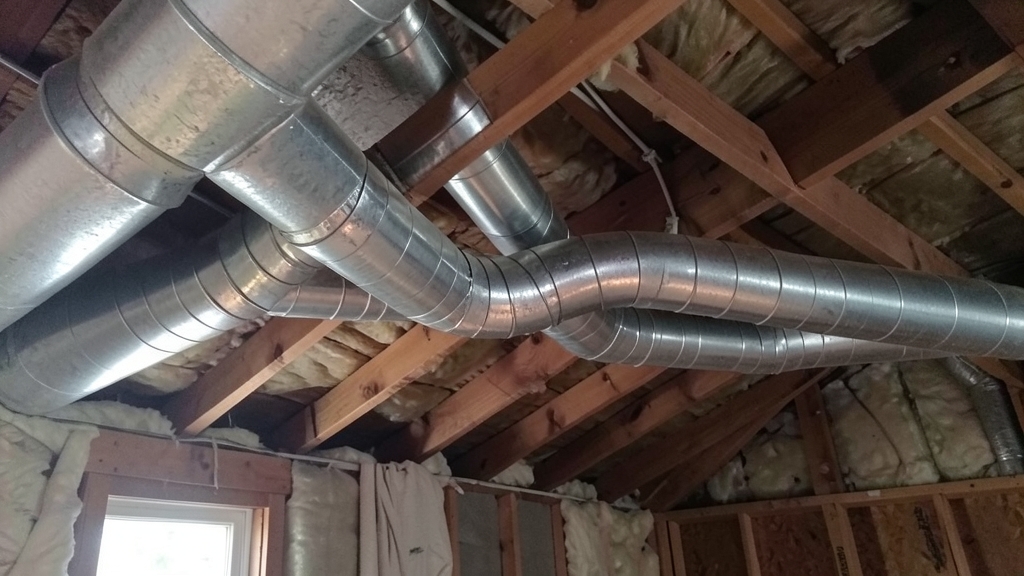
Sealing ductwork properly is critical for efficiency, airflow, and indoor air quality. In Ashland’s climate—where seasonal swings and occasional humidity test HVAC systems—choosing the right sealant can prevent energy waste and moisture issues. We break down foil tape versus mastic so you can decide with confidence.
Why Duct Sealing Matters in Southern Oregon
Leaky ducts can lose 20–30% of conditioned air before it reaches your living spaces. In Ashland, where summers push AC systems and winters demand reliable heat, that loss hits your wallet and comfort hard.
Poorly sealed joints also pull in unfiltered air, dust, and allergens—compromising indoor air quality. That’s why we always inspect for gaps during duct cleaning in Talent, Phoenix, and Medford too.
What Is Foil Tape and When to Use It
Foil tape is a pressure-sensitive, aluminum-backed tape with a strong butyl or acrylic adhesive. It’s designed specifically for HVAC applications and meets UL 181 standards for fire and smoke resistance.
We rely on foil tape for small gaps, seams on sheet metal ducts, and quick repairs on flex ducts. It adheres well to clean, dry surfaces and resists temperature extremes common in our region.
Avoid cloth duct tape—it degrades under heat and UV exposure. Only UL-listed foil tape belongs in your duct system.
What Is Mastic Sealant and Its Best Applications
Mastic is a thick, paste-like sealant that hardens into a durable, rubbery layer. It’s ideal for larger gaps, irregular surfaces, and sealing around duct board or fiberglass-lined ducts.
In Ashland homes with older ductwork or custom HVAC setups, mastic provides superior long-term adhesion. It also handles slight movement without cracking, which matters in areas prone to settling.
Foil Tape vs. Mastic: Side-by-Side Comparison
Both materials have their place, but the right choice depends on the job. Below, we compare key factors to help you decide.
| Factor | Foil Tape | Mastic Sealant |
|---|---|---|
| Best For | Small gaps, sheet metal seams, flex duct connections | Large gaps, irregular surfaces, duct board, plenum seals |
| Application Speed | Fast, peel-and-stick | Slower, requires spreading and drying time |
| Durability | Long-lasting if applied correctly; can lift over time on dirty surfaces | Extremely durable; resists cracking and peeling |
| Moisture Resistance | Good; waterproof but can fail if submerged | Excellent; forms a seamless barrier against humidity |
| Temperature Tolerance | Handles -40°F to 200°F+ | Stays flexible from -20°F to 250°F+ |
| Cost | Low per linear foot | Higher initial cost, but covers more area per unit |
| Cleanup | Easy, minimal residue | Messier; requires solvent for tools |
| Code Compliance | UL 181A/B listed for ducts | Meets or exceeds most building codes for duct sealing |
Ashland-Specific Considerations
Our region’s dry summers and damp winters mean ducts expand and contract more than in stable climates. Mastic’s flexibility often wins here for long-term integrity.
For homes near the Rogue River or in shadier neighborhoods, moisture can be a concern. Mastic’s seamless seal prevents condensation from seeping into duct insulation, reducing mold risk.
If you’re in a newer build with sheet metal ducts, foil tape may suffice for routine maintenance. But for older systems in Talent or Central Point, we frequently combine both for optimal results.
Never use mastic on flex duct inner liners. The solvents can degrade the material. Stick to foil tape or manufacturer-approved products.
Prepping Your Ducts for Sealing
Clean, dry surfaces are non-negotiable. Dust, grease, or moisture will cause either material to fail prematurely. That’s why we always clean ducts thoroughly before any repair.
For foil tape, wipe the area with a damp cloth and let it dry. For mastic, remove loose debris and prime if the surface is porous, like duct board.
Pre-Sealing Checklist
- Turn off HVAC system and allow ducts to cool
- Inspect for existing sealant and remove if degraded
- Clean joint surfaces with a lint-free cloth
- Ensure the area is completely dry
- Wear gloves and safety glasses when handling mastic
When to Call a Professional
DIY sealing works for accessible, straightforward repairs. But if your ducts are hidden, damaged, or part of a complex system, our team’s tools and experience ensure a lasting fix.
We also recommend professional inspection if you notice uneven heating/cooling, high energy bills, or musty odors—common signs of duct issues in Ashland, Medford, and Jacksonville homes.
For commercial duct cleaning or large residential systems, mastic application often requires specialized equipment. We use high-volume pumps for even, efficient coverage.
How to Seal Ducts with Mastic Sealant
Mastic offers superior durability for most duct repairs if applied correctly.
- 1Gather Supplies
You’ll need mastic sealant, a putty knife or trowel, gloves, and a drop cloth. Choose a high-quality, low-VOC mastic rated for HVAC use.
- 2Prepare the Surface
Clean the duct joint or seam thoroughly to remove dust, oil, or old adhesive. Dry completely before proceeding.
- 3Apply the Mastic
Use the putty knife to spread a 1/8- to 1/4-inch layer of mastic over the joint, extending at least 1 inch on either side. Press firmly to eliminate air pockets.
- 4Embed Fiberglass Mesh (Optional)
For added strength on large gaps or high-pressure ducts, press fiberglass mesh into the wet mastic. This reinforces the seal and prevents cracking.
- 5Allow to Cure
Let the mastic dry for at least 24 hours before turning the HVAC system back on. Full cure times vary by product, so check the manufacturer’s guidelines.
Frequently Asked Questions
Can I use duct tape instead of foil tape for my Ashland home?
No. Standard cloth duct tape fails under temperature swings and UV exposure. Only UL-listed foil tape is rated for ductwork. We’ve seen too many DIY repairs unravel within months.
How long does mastic sealant last on ducts?
Properly applied mastic can last 15–20 years or more, even in Ashland’s climate. It outlasts foil tape in most cases, especially on larger gaps or uneven surfaces.
Is mastic sealant safe for indoor air quality?
Yes, once fully cured, high-quality mastic is non-toxic and won’t off-gas. We use low-VOC products to protect indoor air quality in homes and businesses from Ashland to Central Point.
What’s the biggest mistake homeowners make when sealing ducts?
Skipping surface prep. Dirty or damp ducts cause sealants to fail. Also, using the wrong material—like regular tape or caulk—not rated for HVAC systems is a common misstep.
Do I need to seal both supply and return ducts?
Absolutely. Leaks in return ducts pull unfiltered, unconditioned air into your system, reducing efficiency and indoor air quality. Supply duct leaks waste conditioned air. We always address both during a full duct cleaning and sealing service.
Can foil tape or mastic fix a completely disconnected duct?
No. These materials are for sealing gaps and seams, not reattaching disconnected sections. If a duct is detached, it needs mechanical reattachment (screws, drives, or clamps) followed by sealing.