How Clean Air Ducts Improve Energy Efficiency in Ashland
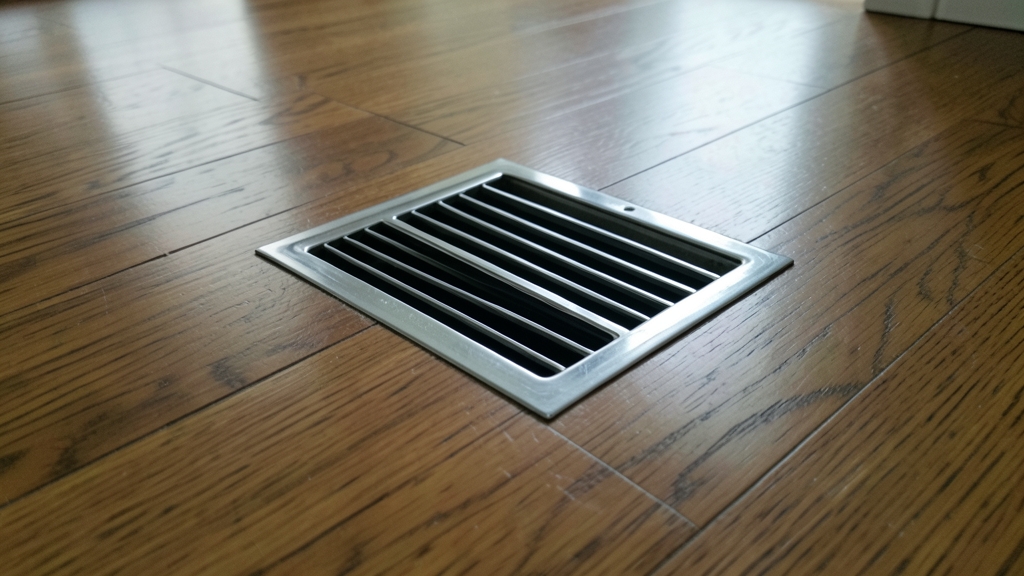
Dirty air ducts force your HVAC system to work harder, wasting energy and driving up costs. In our region’s dry summers and damp winters, dust, pollen, and even mold can accumulate fast—reducing airflow and efficiency. We’ll explain how clean ducts restore performance and save you money long-term.
Why Dirty Ducts Drain Energy
Dust and debris build up in ductwork like plaque in arteries, restricting airflow. Your HVAC blower motor then struggles to push air through clogged passages, increasing runtime and energy use.
In Ashland’s high-pollen seasons, organic matter collects quickly, further blocking vents and registers. This added resistance lowers system efficiency by 10–30%, depending on severity.
The Direct Link Between Duct Cleanliness and HVAC Performance
Clean ducts maintain optimal static pressure, allowing your system to deliver the designed CFM (cubic feet per minute) of airflow. This ensures proper heat exchange across the evaporator and condenser coils.
When airflow drops, coils can’t absorb or release heat efficiently. The result? Longer cycles, uneven temperatures, and higher utility bills—especially noticeable during Medford’s peak summer heat.
Even clean ducts won’t help if your coils are dirty. We often pair duct cleaning with HVAC coil cleaning for maximum efficiency gains.
How Contaminants Accumulate in Ashland’s Climate
Our area’s dry summers kick up fine dust, while winter rains encourage mold and mildew growth in ductwork. Pet dander and pollen from Talent’s rural edges also contribute to rapid buildup.
Without regular cleaning, these contaminants circulate repeatedly, degrading indoor air quality and forcing your system to work overtime to maintain comfort.
Energy Savings: Clean Ducts vs. Dirty Ducts
The difference in performance is measurable. Clean ducts reduce runtime, lower energy consumption, and extend HVAC lifespan by reducing strain on components.
| Factor | Clean Ducts | Dirty Ducts |
|---|---|---|
| Airflow (CFM) | Optimal | Reduced 15-30% |
| System Runtime | Shorter cycles | Prolonged cycles |
| Energy Use | Lower | Higher |
| Coil Efficiency | Maximized | Compromised |
| Indoor Air Quality | Improved | Poor |
Signs Your Ducts Are Hurting Efficiency
Uneven heating or cooling between rooms often signals blocked ducts. So does a sudden spike in energy bills with no other explanation.
Visible dust puffs from vents when the system starts are a red flag. Musty odors suggest mold or mildew, which can also clog filters and reduce airflow.
Red Flags for Inefficient Ducts
- Higher-than-usual energy bills
- Weak airflow from vents
- Dust buildup on registers
- Uneven temperatures room-to-room
- Musty or stale odors when HVAC runs
How Professional Duct Cleaning Restores Efficiency
We use high-powered vacuums and specialized brushes to remove debris from every inch of ductwork, including supply, return, and trunk lines. This restores airflow to manufacturer specs.
For stubborn mold or mildew, we apply EPA-approved treatments to sanitize ducts without damaging materials. This is especially critical in older homes in Phoenix or Jacksonville, where moisture issues are common.
UV light systems installed in ductwork can prevent future mold and bacteria growth, keeping your system cleaner longer.
Long-Term Benefits Beyond Energy Savings
Clean ducts improve indoor air quality, reducing allergens and irritants. This is a major plus for families in Talent or Central Point with asthma or allergies.
They also protect your HVAC investment. Less strain on the blower motor and coils means fewer repairs and a longer system lifespan—often adding years to your unit’s service life.
When to Schedule Duct Cleaning in Southern Oregon
We recommend a professional inspection every 2–3 years, or after major renovations. Homes with pets, smokers, or allergy sufferers may need more frequent cleaning.
If you’ve recently moved into an older home in Ashland or Medford, a duct cleaning should be a priority—you never know what’s lurking in the system from previous owners.
How to Check if Your Ducts Need Cleaning
A quick DIY inspection can reveal whether your ducts are due for a professional cleaning.
- 1Inspect the Registers
Remove vent covers and look inside with a flashlight. Visible dust, debris, or mold indicates a problem.
- 2Test Airflow
Hold a tissue near a supply vent. Weak airflow or the tissue barely moving suggests blockages.
- 3Check for Odors
Turn on the HVAC and sniff near the vents. Musty or stale smells mean contaminants are circulating.
- 4Review Energy Bills
Compare recent bills to the same period last year. Unexplained increases may point to duct issues.
- 5Look for Dust Buildup
Excessive dust on furniture or around vents shortly after cleaning is a sign of dirty ducts.
Frequently Asked Questions
Can dirty ducts really increase my energy bills that much?
Yes. The U.S. Department of Energy estimates that 25–40% of energy used for heating or cooling is wasted due to inefficient duct systems. Clean ducts eliminate a major source of that waste.
How long does air duct cleaning take in an average Ashland home?
Most residential jobs take 2–4 hours, depending on the size of the home and the complexity of the ductwork. Commercial properties in Medford or Central Point may require a full day.
Will duct cleaning damage my HVAC system?
Not when done by professionals. We use soft-bristle brushes and controlled vacuum pressure to avoid harming duct materials. Improper DIY methods, however, can cause damage.
Is duct cleaning necessary if I change my air filters regularly?
Filters catch larger particles, but finer dust and debris still accumulate in the ductwork over time. Regular filter changes help, but they don’t replace professional duct cleaning.
What’s the difference between duct cleaning and dryer vent cleaning?
Duct cleaning focuses on your HVAC system’s airflow pathways, while dryer vent cleaning targets the vent leading from your dryer to the outside. Both are critical—lint buildup in dryer vents is a fire hazard.
Do you offer indoor air quality testing in Ashland?
Yes. We provide comprehensive indoor air quality testing to identify pollutants, allergens, and humidity issues. This helps us tailor solutions like duct cleaning, sanitization, or UV treatment.