How to Schedule a Reliable Air Duct Cleaning Service in Ashland
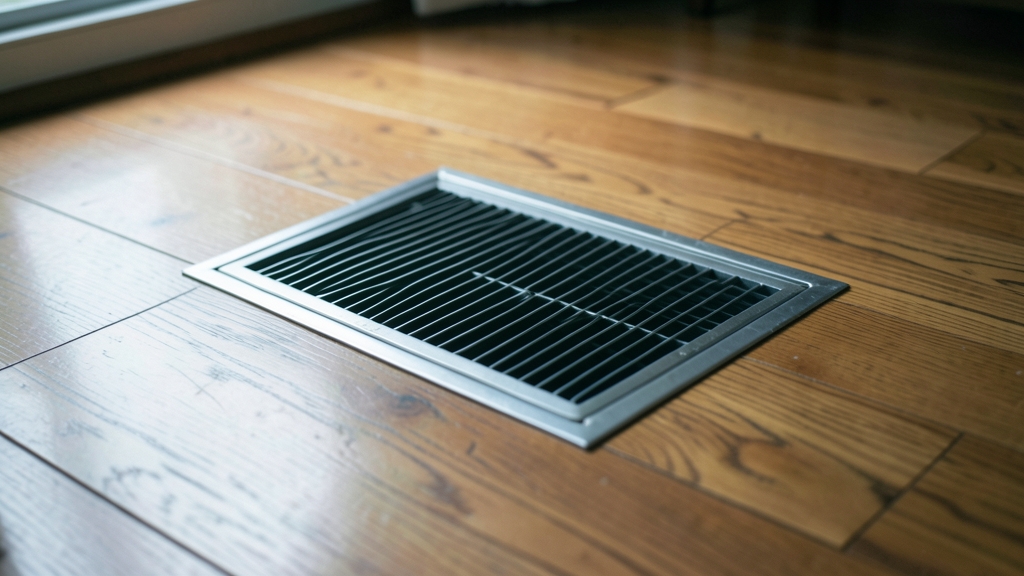
Scheduling a professional air duct cleaning isn’t just about ticking a box—it’s about protecting your home’s air quality and HVAC efficiency. In the Rogue Valley, seasonal pollen and dry summers make clean ducts a necessity, not a luxury. We’ll walk you through the process, from choosing the right team to preparing your space.
Why Ashland Homes Need Regular Air Duct Cleaning
Our region’s dry summers and windy springs kick up dust, pollen, and even wildfire residue that settles deep in ductwork. Without cleaning, these contaminants recirculate every time your HVAC runs.
Local homes with older systems or recent renovations often harbor extra debris. Even new builds can have construction dust trapped in the vents, reducing airflow and straining your blower motor.
If you see mold in your ducts or smell musty odors, stop using the HVAC and call a pro immediately. Mold spores spread quickly through ductwork and require specialized treatment.
Signs It’s Time to Clean Your Ducts
Unexplained allergy flare-ups or respiratory issues often point to dirty ducts. If symptoms improve when you’re away from home, your ductwork could be the culprit.
Visible dust puffs from vents when the system starts are a red flag. So are inconsistent temperatures between rooms—clogged ducts restrict airflow, forcing your HVAC to work harder.
Check your air filters monthly. If they clog faster than usual, it’s a sign your ducts need attention. Pet owners and households with smokers should clean ducts every 2–3 years.
How Often Should You Clean Air Ducts in Southern Oregon?
Most homes benefit from air duct cleaning every 3–5 years. But in Ashland, with its high pollen counts and occasional smoke from wildfires, we often recommend a 2–3 year interval.
Households with pets, children, or residents with asthma may need annual cleanings. Commercial properties, especially in high-traffic areas like Medford or Talent, should follow a stricter schedule.
| Household Type | Climate Factors | Recommended Interval |
|---|---|---|
| Standard home | Low pollen, no pets | 3–5 years |
| Pet owners, allergies | Moderate pollen (Rogue Valley) | 2–3 years |
| Asthma/COPD, smokers | High pollen, wildfire smoke | 1–2 years |
| Commercial (offices, retail) | High foot traffic, variable occupancy | 1–2 years |
| New construction/renovation | Construction dust, drywall debris | Immediately post-work |
What to Look for in an Ashland Air Duct Cleaning Company
Certification matters. Look for NADCA (National Air Duct Cleaners Association) members—they follow strict industry standards for equipment and techniques.
Ask about their cleaning method. Negative air pressure systems (like truck-mounted vacuums) are the gold standard for thorough debris removal. Avoid companies using only rotary brushes—they miss fine particles.
Local experience is key. A team familiar with Ashland’s climate and common HVAC setups (like heat pumps) will spot issues others might overlook. We also serve Talent, Phoenix, and Central Point with the same expertise.
Ensure the quote includes all components: supply/return ducts, registers, grilles, and the main trunk line. Some companies skip the blower motor or coils—these areas collect heavy dust and need attention.
The Step-by-Step Air Duct Cleaning Process
We start with a visual inspection using a borescope camera to assess contamination levels. This helps us tailor the cleaning to your system’s needs.
Next, we seal off the HVAC system and use high-powered vacuums to create negative pressure. This ensures debris is pulled *out* of your home, not just redistributed.
Our technicians then agitate the ducts with specialized tools—whips, brushes, or compressed air—to dislodge stubborn buildup. For mold or mildew, we apply EPA-approved sanitizers.
Additional Services to Improve Indoor Air Quality
Dryer vent cleaning is often overlooked but critical. Lint buildup restricts airflow, increases fire risk, and forces your dryer to run longer. We clean these vents separately from your HVAC ducts.
HVAC coil cleaning removes dirt from evaporator and condenser coils, improving efficiency by up to 30%. Dirty coils also breed mold, which spreads through your ducts.
For homes with persistent odor or allergy issues, we offer UV light sanitization and mold/mildew treatments. These add-ons target contaminants that standard cleaning can’t eliminate.
Indoor Air Quality Boosts
- Replace 1-inch filters every 1–3 months (higher MERV ratings for allergies)
- Install a HEPA filtration system for fine particles
- Schedule annual HVAC maintenance to prevent duct contamination
- Consider a whole-home humidifier/dehumidifier for climate control
How to Prepare for Your Air Duct Cleaning Appointment
Clear the area around vents and registers. Move furniture, rugs, or decor at least 2–3 feet away to give our team full access.
Turn off your HVAC system 30 minutes before we arrive. This prevents dust from spreading during the inspection.
If you have pets, keep them in a separate room. The noise from our equipment can be startling, and we’ll need to open doors to access all vents.
What to Expect After the Cleaning
You’ll notice improved airflow immediately. Rooms that were previously stuffy or uneven in temperature should feel more consistent.
Dust levels in your home may temporarily increase as settled particles resettle. This is normal—run your HVAC with a fresh filter for 24 hours to clear it out.
We’ll provide a detailed report, including before/after photos from our camera inspection. This helps you see the difference and plan future maintenance.
How to Schedule Your Air Duct Cleaning in Ashland
Booking a professional service is simple, but a few steps ensure you get great results.
- 1Research Local Providers
Look for companies with experience in the Rogue Valley. Check that they offer the specific services you need, like dryer vent or coil cleaning.
- 2Request a quote
Provide details about your home’s size, HVAC type, and any concerns (e.g., mold, allergies). This helps us tailor the estimate to your needs.
- 3Confirm the Scope
Ask if the quote includes all ductwork, vents, and components like the blower motor. Clarify any add-ons, such as sanitization or UV treatment.
- 4Schedule a Convenient Time
We typically need 2–4 hours for a standard home. Choose a time when you can be present for the initial inspection and final walkthrough.
- 5Prepare Your Home
Clear access to vents, turn off your HVAC, and secure pets. This speeds up the process and ensures a thorough job.
Frequently Asked Questions
How long does air duct cleaning take for an average Ashland home?
A typical single-family home takes 2–4 hours, depending on the system’s size and complexity. Larger homes or those with extensive ductwork (common in older neighborhoods) may take longer. We’ll give you a time estimate during your quote.
Is air duct cleaning messy?
Not with professional equipment. We use sealed vacuum systems to contain debris, so there’s minimal mess. You might see a slight increase in dust for a day afterward as remaining particles settle.
Can air duct cleaning help with wildfire smoke residue?
Yes. Wildfire smoke leaves fine particulate matter in ducts that standard filters can’t catch. We use HEPA-grade vacuums and sanitizers to remove these contaminants, which is especially important in Ashland and Medford after smoke events.
Do you clean air ducts in rental properties or commercial buildings?
Absolutely. We serve residential and commercial clients across Ashland, Talent, Phoenix, and Central Point. For landlords, we offer maintenance plans to keep properties tenant-ready and compliant with air quality standards.
What’s the difference between air duct cleaning and HVAC maintenance?
Air duct cleaning focuses on removing contaminants from the ductwork itself. HVAC maintenance includes inspecting and servicing the furnace, AC unit, coils, and other components. Both are essential—we recommend pairing them for optimal system health.
Will cleaning my ducts reduce my energy bills?
Clean ducts improve airflow, which reduces the strain on your HVAC system. While the savings vary, many homeowners see a 5–15% reduction in energy costs after cleaning, especially if the ducts were heavily clogged.