Indoor Air Quality: Why Ashland Homeowners Should Care About Their Ducts
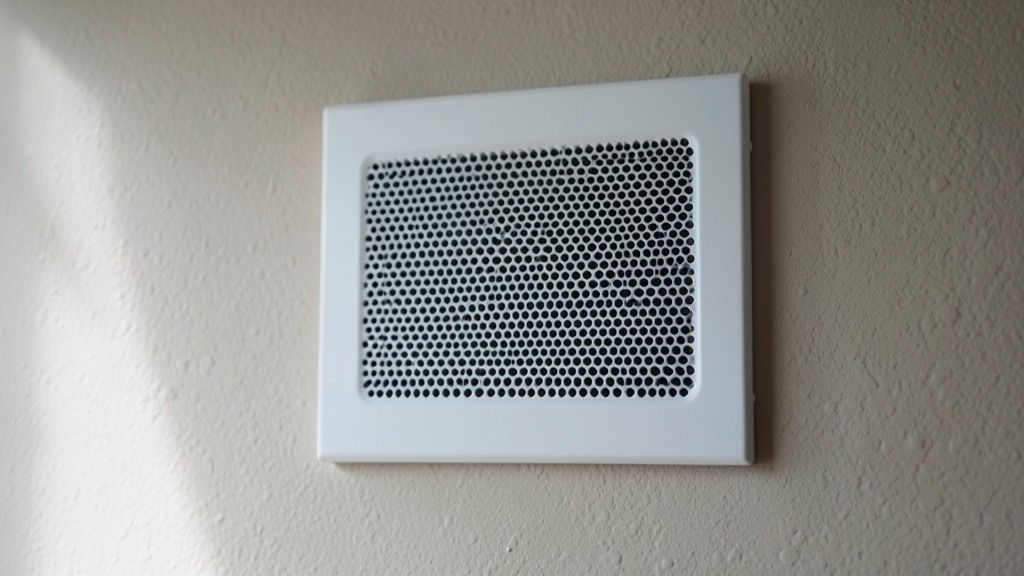
Ashland’s wildfire seasons and pollen-heavy springs mean your HVAC system works overtime. Dirty ducts don’t just circulate dust—they can spread allergens, mold, and even smoke residue throughout your home. We’ll explain why clean ducts are the first line of defense for better indoor air quality.
How Ducts Affect the Air You Breathe Every Day
Your ductwork is the respiratory system of your home. Every time the HVAC kicks on, it pulls air through return vents, across the blower and coils, then pushes it back out through supply vents—along with whatever contaminants have settled inside.
In Ashland, fine particulate from summer wildfires can linger in ducts for months. Add in pet dander, dust mites, and seasonal pollen, and you’ve got a cocktail of irritants circulating nonstop.
Common Contaminants Hiding in Ashland Ducts
Dust and debris are the usual suspects, but our dry climate and wooded surroundings introduce others. Wildfire ash, pine pollen, and even rodent droppings can accumulate in duct runs, especially in attics or crawl spaces.
Mold and mildew thrive in dark, damp sections of ductwork—often near the evaporator coil or in poorly sealed flex duct. Without treatment, these spores can spread every time the system cycles.
| Contaminant | Source | Health Impact |
|---|---|---|
| Dust & Dust Mites | Everyday household dust, fabric fibers | Allergies, asthma triggers |
| Pollen | Outdoor air intake, open windows | Seasonal allergy symptoms |
| Wildfire Smoke Particles | Summer wildfires (common in Ashland, Medford, Talent) | Respiratory irritation, long-term lung risk |
| Mold Spores | Moisture in ducts or coils, poor drainage | Headaches, sinus issues, immune reactions |
| Pet Dander | Pets in the home | Allergic reactions, worsened asthma |
| Rodent Debris | Crawl spaces, attics (common in older Phoenix or Jacksonville homes) | Disease risk, odor, airflow blockage |
Signs Your Ducts Are Compromising Air Quality
Unexplained dust buildup on furniture shortly after cleaning is a classic red flag. If your filters clog faster than usual, or you notice musty odors when the HVAC runs, your ducts likely need attention.
Visible mold around vents or on duct surfaces is a clear warning. So is reduced airflow from certain registers—this often signals blockages from debris or collapsed duct sections.
If anyone in your home experiences increased allergy symptoms, headaches, or respiratory issues indoors, contaminated ducts could be the culprit. Request a quote for air quality testing.
Why Ashland’s Climate Makes Duct Cleaning a Priority
Our hot, dry summers and cold, damp winters create a perfect storm for duct issues. In summer, fine particulate from wildfires near Medford or Talent can infiltrate systems. In winter, condensation in ducts promotes mold growth.
Homes with older ductwork or those in wooded areas like Jacksonville often face higher contaminant loads. Even new builds aren’t immune—construction dust and drywall particles can linger if not properly cleaned post-install.
The Professional Duct Cleaning Process: What to Expect
We start with a thorough inspection using cameras to assess duct condition and identify problem areas. This helps us determine if coil cleaning, mold treatment, or dryer vent cleaning are needed alongside duct cleaning.
High-powered vacuums and specialized brushes dislodge debris from every inch of your system, including hard-to-reach bends and branches. For stubborn mold, we apply EPA-approved treatments to sanitize the ductwork.
What a Quality Duct Cleaning Includes
- Inspection of all supply and return ducts
- Cleaning of blower motor and housing
- Evaporator coil and drain pan cleaning
- Sanitization treatment for mold/mildew (if present)
- Sealing of any accessible leaks or gaps
- Final airflow and static pressure check
Duct Cleaning vs. DIY: Why Pros Deliver Better Results
Store-bought vacuums and brushes can’t reach deep into duct runs or agitate debris effectively. Professional equipment uses negative air pressure to ensure contaminants are captured, not just redistributed.
We also address the root causes—like dirty coils or clogged filters—that DIY methods overlook. In Ashland, where wildfire residue is a recurring issue, professional-grade tools make a noticeable difference in air quality.
Replace your air filters every 1-3 months (more often during wildfire season). Consider upgrading to a higher MERV rating for better particulate capture.
Related Services to Boost Indoor Air Quality
Duct cleaning is just one piece of the puzzle. HVAC coil cleaning improves efficiency and reduces mold risk. Dryer vent cleaning prevents lint buildup that can both harm air quality and pose a fire hazard.
For homes in Talent or Central Point with persistent mold issues, UV light sanitization systems can provide ongoing protection. Indoor air quality testing helps identify specific pollutants and their sources, so solutions are targeted.
How Often Should You Clean Your Ducts?
Most homes benefit from professional duct cleaning every 3-5 years. However, factors like pets, allergies, recent renovations, or living in high-pollen areas may require more frequent service.
After wildfire events, we recommend an inspection and cleaning if ash or smoke odor is detected indoors. Commercial properties in Medford or Ashland often need annual cleaning due to higher occupancy and airflow demands.
How to Check Your Ducts for Contaminants
A quick at-home inspection can reveal whether your ducts need professional attention.
- 1Remove and Inspect Vent Covers
Use a screwdriver to remove a few supply and return vent covers. Shine a flashlight inside—visible dust buildup or mold indicates a problem.
- 2Check for Dust Blowback
Turn on the HVAC and hold a white cloth near the vents. If dust or debris appears on the cloth, your ducts are likely dirty.
- 3Sniff Test
Stand near the vents when the system starts. Musty or stale odors suggest mold or trapped contaminants.
- 4Inspect the Air Filter
A clogged filter after just a month of use is a sign your ducts may be circulating excessive debris.
- 5Look for Uneven Airflow
Walk through your home and feel the airflow from each vent. Weak or absent airflow in some rooms can signal blockages.
- 6Assess Recent Health Changes
If household members report increased allergies, coughing, or respiratory issues indoors, contaminated ducts could be contributing.
Frequently Asked Questions
Can dirty ducts really make my allergies worse?
Absolutely. Ducts accumulate dust mites, pollen, and pet dander—all common allergy triggers. When your HVAC circulates these particles, it can significantly worsen symptoms for sensitive individuals.
How long does a professional duct cleaning take in Ashland?
Most residential cleanings take 2-4 hours, depending on the size of your home and the complexity of your ductwork. Larger homes or those with extensive contamination may require more time.
Will duct cleaning reduce my energy bills?
Clean ducts improve airflow, which can enhance HVAC efficiency. While it’s not a magic bullet for energy savings, it helps your system run more effectively, especially when combined with coil cleaning and filter maintenance.
Is duct cleaning necessary if I don’t have allergies?
Even without allergies, dirty ducts can affect air quality and system performance. Dust buildup restricts airflow, forcing your HVAC to work harder. Plus, contaminants like mold or wildfire particles can pose health risks over time.
Do you serve areas outside Ashland, like Medford or Talent?
Yes, we provide air duct cleaning, dryer vent cleaning, and related services throughout the Rogue Valley, including Medford, Talent, Phoenix, Jacksonville, and Central Point.
What’s the difference between duct cleaning and HVAC coil cleaning?
Duct cleaning focuses on removing contaminants from your ductwork. HVAC coil cleaning targets the evaporator and condenser coils, which can accumulate mold, dust, and debris that reduce efficiency and air quality. Both are important for a fully clean system.