Mold in Your Ducts? Steps to Take Before Replacing Them in Ashland
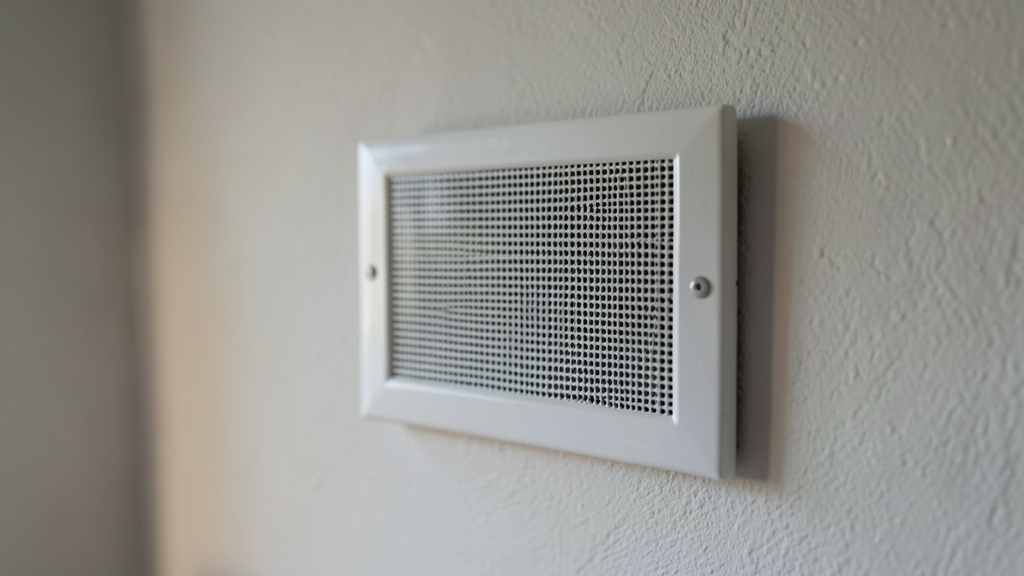
Finding mold in your ductwork can be alarming, but replacement isn’t always the first step. Our team has seen how Ashland’s damp winters and dry summers create the perfect conditions for mold growth in HVAC systems. Before considering a full replacement, targeted cleaning and treatment can often restore safety and efficiency.
Why Mold Thrives in Ashland’s Ductwork
Ashland’s climate swings from wet winters to hot, dry summers, which can trap moisture in your ducts. This moisture, combined with organic dust and debris, creates an ideal breeding ground for mold spores.
Poorly sealed ducts or inadequate insulation can worsen condensation issues, especially in older homes. Even newer systems in Talent or Phoenix may struggle if maintenance is neglected.
Signs You Have Mold in Your Ducts
Musty odors when your HVAC runs are a classic red flag. You might also notice visible black or green spots around vent covers or inside the ductwork during an inspection.
Increased allergy symptoms—sneezing, itchy eyes, or respiratory issues—can indicate mold spores circulating through your home. These symptoms often worsen when the system is active.
Common Mold Indicators
- Persistent musty smells from vents
- Visible mold near registers or duct seams
- Unexplained allergy flare-ups indoors
- Dark stains or moisture around ductwork
First Steps: Confirm and Contain
Before jumping to solutions, confirm the presence of mold. We recommend professional indoor air quality testing, which can identify spore types and concentrations in Ashland, Medford, or Central Point homes.
If mold is confirmed, avoid running your HVAC system until it’s addressed. This prevents spores from spreading further into living spaces.
Household cleaners or bleach can worsen mold issues by pushing spores deeper into the system. Always rely on professional duct sanitization methods.
Cleaning vs. Replacement: What’s Right for You?
Not all mold infestations require duct replacement. Professional air duct cleaning with HEPA vacuums and antimicrobial treatments can often eliminate the problem if the contamination is surface-level.
Replacement becomes necessary when mold has deeply penetrated duct materials (like fiberboard) or if the system is old and degraded. In Jacksonville or Central Point, older homes may need partial ductwork upgrades.
| Factor | Cleaning Suitable | Replacement Needed |
|---|---|---|
| Mold depth | Surface-level only | Penetrated duct material |
| Duct material | Metal, flexible (intact) | Fiberboard, damaged liners |
| System age | Well-maintained, <15 years | Old, degraded, or poorly sealed |
| Recurring issues | First-time occurrence | Repeated mold growth after cleaning |
The Role of Professional Duct Cleaning
Our team uses specialized tools like rotating brushes and high-powered vacuums to dislodge and remove mold spores from every inch of your ductwork. This is far more effective than consumer-grade methods.
For stubborn cases, we pair cleaning with UV light treatment or antimicrobial fogging to kill remaining spores and prevent regrowth. This is especially useful in high-humidity areas like Ashland or Talent.
Preventing Future Mold Growth
Controlling humidity is key. In Ashland’s climate, we recommend using dehumidifiers during wet months and ensuring your HVAC’s drain pans and coils are clean and dry.
Regular air filter replacement and annual duct inspections can catch early signs of moisture or mold. Don’t overlook related systems—dryer vent cleaning and HVAC coil cleaning also reduce mold risks.
Switch to high-MERV filters (MERV 8-13) to trap mold spores and other allergens more effectively. Replace them every 1-3 months, depending on usage.
When to Consider Commercial Duct Cleaning
Businesses in Medford, Central Point, or Ashland often face larger-scale mold issues due to complex HVAC systems. Commercial duct cleaning requires industrial-grade equipment and adherence to stricter IAQ standards.
Restaurants, offices, and retail spaces benefit from scheduled maintenance, including mold and mildew treatments, to protect employees and customers.
Long-Term Solutions for Ashland Homes
If mold persists, we may recommend sealing ducts to prevent moisture intrusion or upgrading to metal ductwork, which resists mold better than fiberboard. UV sanitization systems can also be installed for ongoing protection.
For homes in flood-prone areas near Talent or Phoenix, adding a whole-house dehumidifier can be a game-changer for preventing future mold growth.
How to Inspect Your Ducts for Mold
A quick visual check can help you decide if it’s time to call in professionals.
- 1Turn Off the HVAC System
Prevent spores from spreading by shutting down your heating or cooling system before starting.
- 2Remove Vent Covers
Use a screwdriver to take off vent grilles and peek inside with a flashlight. Look for dark spots or fuzzy growth.
- 3Check for Moisture
Feel inside the ducts (if accessible) for dampness. Condensation or wet insulation is a mold red flag.
- 4Smell for Musty Odors
If you detect a musty smell near the vents or ductwork, mold is likely present even if not visible.
- 5Look for Debris Buildup
Excess dust or organic matter in ducts can feed mold. If you see thick layers, professional cleaning is overdue.
Frequently Asked Questions
Can mold in ducts make my family sick?
Yes, mold spores circulating through your HVAC can trigger allergies, asthma, and respiratory infections. Children, the elderly, and those with compromised immune systems are especially vulnerable. Professional cleaning and treatment can mitigate these risks.
How often should I clean my ducts in Ashland?
We recommend duct cleaning every 3-5 years for average homes, but homes in humid areas or with allergy sufferers may need it more frequently. If you’ve had mold, annual inspections are wise.
Is UV light treatment safe for my HVAC system?
Yes, when installed correctly by professionals, UV light systems are safe and effective for killing mold and bacteria in ductwork. They require minimal maintenance, just periodic bulb replacements.
Will cleaning my ducts improve my HVAC’s efficiency?
Absolutely. Mold and debris restrict airflow, forcing your system to work harder. Clean ducts can improve efficiency by 10-20%, reducing energy costs and extending your HVAC’s lifespan.
Do you serve areas outside Ashland?
Yes, our team provides air duct cleaning, mold treatment, and related services across Southern Oregon, including Talent, Phoenix, Medford, Jacksonville, and Central Point.
How can you prevent mold after cleaning?
Control humidity with dehumidifiers, replace air filters regularly, and schedule annual HVAC maintenance. Sealing ducts and adding UV sanitization can also provide long-term protection.