Rusted Metal Ducts: Assessing Damage and Costs for Ashland Properties
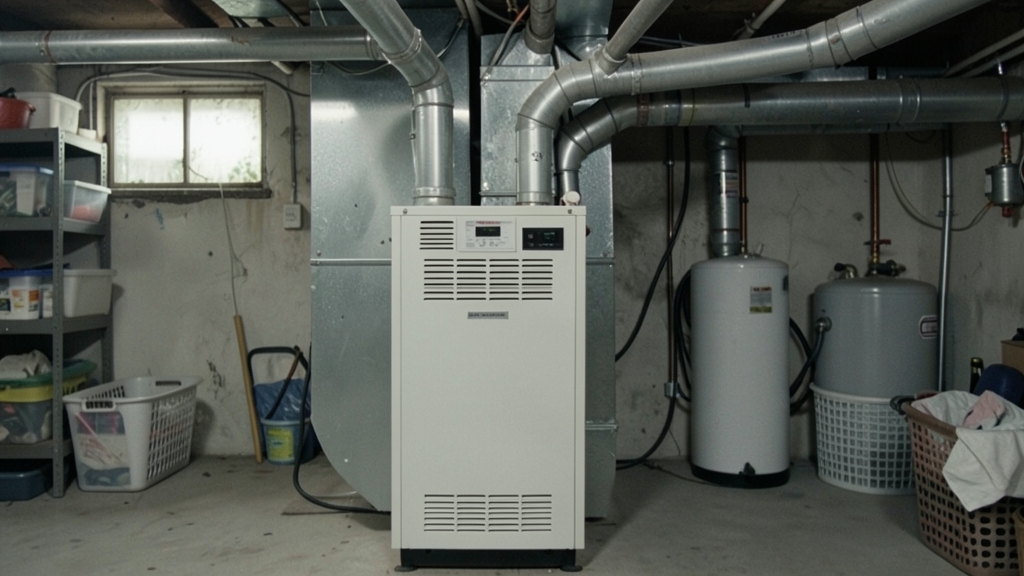
Rusted metal ducts are a silent threat to Ashland homes, especially in our damp winters and humid springs. Left unchecked, corrosion compromises airflow, indoor air quality, and even HVAC efficiency. We’ll break down how to assess the damage and what it takes to fix it—so you can breathe easier.
Why Ashland Homes Are Prone to Rusted Ductwork
Our region’s high humidity—especially in neighborhoods near Emigrant Lake or the Bear Creek Greenway—accelerates condensation inside metal ducts. Over time, this moisture reacts with unprotected steel, forming rust that weakens the system.
Older homes in Talent or Phoenix often have galvanized steel ducts that lose their zinc coating faster in wet climates. Once the protective layer degrades, rust spreads quickly, particularly in crawl spaces or basements where airflow is limited.
Signs Your Metal Ducts Are Rusting
Visible reddish-brown flakes or pitting on duct surfaces are clear red flags. Check supply vents and exposed sections in attics or basements first—these areas show damage earliest.
A musty odor when the HVAC kicks on often signals rust or mold inside the ducts. Reduced airflow from certain vents can also indicate corrosion blocking the path.
Rust Detection Checklist
- Inspect exposed duct sections for discoloration or flaking
- Sniff for metallic or musty odors near vents
- Test airflow consistency room by room
- Look for water stains or drips near duct joints
The Hidden Costs of Ignoring Rust
Rusted ducts don’t just look bad—they restrict airflow, forcing your HVAC to work harder. This spikes energy bills and shortens equipment lifespan, a real concern for Medford and Central Point homeowners with aging systems.
Worse, rust particles can break loose and circulate through your home, aggravating allergies or asthma. In severe cases, holes from corrosion let in unfiltered air, dust, and even pests.
Rust in ducts can harbor mold and bacteria. If anyone in your household has respiratory issues, address corrosion immediately with a professional inspection and possible mold treatment.
Repair vs. Replacement: What Ashland Homeowners Need to Know
Minor surface rust can often be treated with sanding, rust inhibitors, and sealants. This is a viable option if the structural integrity is intact and the rust hasn’t perforated the metal.
For extensive corrosion—especially in older galvanized systems—partial or full replacement is safer. In Jacksonville’s historic homes, we often see ducts so degraded that patching them would be a temporary fix at best.
| Factor | Repair | Replacement |
|---|---|---|
| Cost | Lower upfront; depends on duct accessibility | Higher initial; long-term savings on energy and health |
| Lifespan | Short-term fix (2-5 years) | 20-30 years with proper maintenance |
| Air Quality Impact | May not fully resolve particle circulation | Eliminates rust and debris; improves IAQ |
| HVAC Efficiency | Moderate improvement | Significant improvement |
| Best For | Surface rust, small areas | Perforated ducts, widespread corrosion |
How Rust Affects HVAC Performance and Related Systems
Corroded ducts force your furnace or AC to overcompensate, leading to uneven heating or cooling. This strain can trigger early failures in components like coils or blower motors—another reason we recommend coil cleaning alongside duct inspections.
Rust isn’t isolated to ducts. Nearby dryer vents or HVAC coils can also corrode, especially if moisture from rusty ducts spreads. In Central Point’s newer builds, we often find that addressing one issue reveals others in the system.
If you’re replacing rusted ducts, ask about upgrading to insulated flex ducts or coated metal. These resist condensation better in our climate and can improve efficiency.
The Role of Indoor Air Quality Testing
Before deciding on repairs or replacement, we recommend indoor air quality testing. This identifies not just rust particles but also mold spores, volatile organic compounds (VOCs), or other contaminants that rusty ducts might be harboring.
Testing is especially critical in Ashland homes with poor ventilation or past water damage. Results help prioritize whether duct cleaning, mold treatment, or full replacement is a suitable next step.
Preventing Future Rust in Your Ductwork
Controlling humidity is key. Use dehumidifiers in damp areas like basements or crawl spaces, and ensure your HVAC’s condensate drain is clear. Regular air filter replacement also reduces moisture buildup in the system.
For long-term protection, consider UV light and sanitization treatments. These systems inhibit mold and bacteria growth in ducts, which can accelerate rust. Pair this with annual duct inspections to catch issues early.
How to Inspect Your Ducts for Rust
A thorough inspection helps determine whether you need repairs or a full replacement.
- 1Gather Tools
Use a flashlight, mirror, and camera (or smartphone) to access tight spaces. A screwdriver may be needed to remove vent grilles.
- 2Check Exposed Ducts
Look for reddish-brown spots, flaking, or pitting in attics, basements, or crawl spaces. Pay special attention to joints and seams.
- 3Test Airflow
Hold a tissue near each vent while the HVAC runs. Weak airflow from one vent may indicate a blockage or collapse from rust.
- 4Sniff for Odors
Musty or metallic smells near vents suggest rust or mold. If odors persist, schedule a professional inspection with air quality testing.
- 5Document Findings
Take photos of any damage and note locations. This helps professionals provide accurate quotes for repair or replacement.
Frequently Asked Questions
Can rusted ducts be cleaned, or do they always need replacement?
Surface rust can often be cleaned and treated with inhibitors, but if the metal is perforated or structurally weak, replacement is the only safe option. We’ll assess the extent during an inspection.
How does Ashland’s climate affect duct lifespan?
Our wet winters and humid springs accelerate condensation inside ducts, shortening their lifespan compared to drier regions. Galvanized steel may last 10-15 years here without maintenance, versus 20+ in arid areas.
Will replacing rusted ducts improve my energy bills?
Yes. Corroded ducts restrict airflow, forcing your HVAC to work harder. Replacement or repair can restore efficiency, often paying for itself over time in reduced energy costs.
Are there temporary fixes for rusted ducts?
Sealants or rust converters can buy time for minor surface rust, but these are band-aid solutions. For widespread corrosion, especially in older homes in Talent or Phoenix, replacement is the only lasting fix.
Should I test for mold if I have rusted ducts?
Absolutely. Rust creates ideal conditions for mold growth. We recommend indoor air quality testing alongside any duct inspection to check for spores or other contaminants.
Do you serve areas outside Ashland for duct replacement?
Yes, our team handles rusted duct assessments and replacements across Southern Oregon, including Medford, Central Point, Jacksonville, Talent, and Phoenix. Request a quote to get started.