7 Clear Signs Your Ashland Home Needs Immediate Air Duct Cleaning
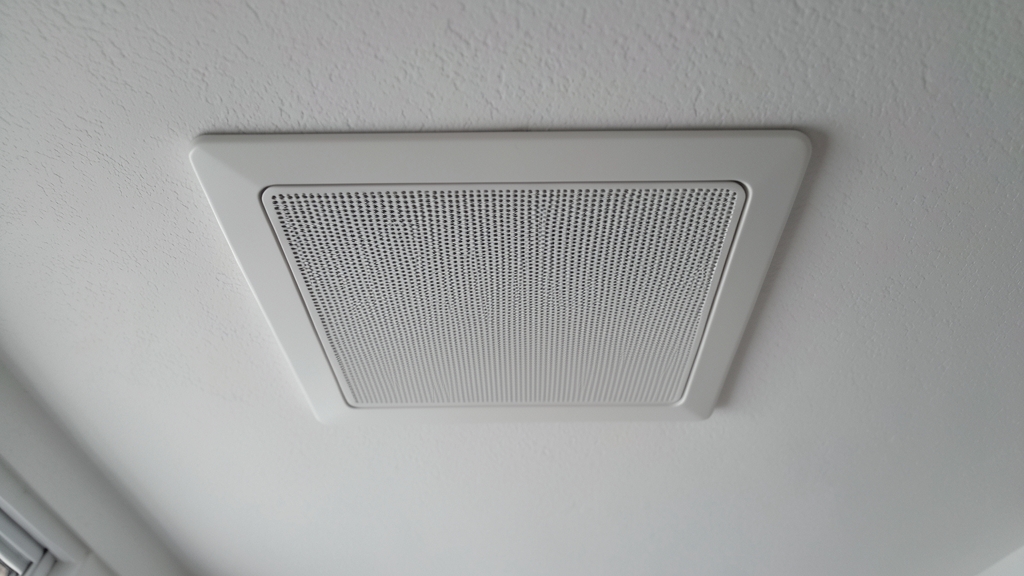
Your HVAC system works overtime in our climate, cycling dust, pollen, and even wildfire smoke through hidden ductwork. Over time, these contaminants build up, degrading air quality and forcing your system to labor harder. Recognizing the early warning signs can save you from costly repairs and poor indoor air.
Visible Dust and Debris Around Vents
If you notice dust puffs when the furnace or AC kicks on, that’s a red flag. Supply registers blowing out visible particles mean your ducts are acting as a reservoir for contaminants.
Check return vents too—accumulated dust on grilles often signals heavy buildup inside the ductwork. A quick wipe test on vents can reveal just how much is circulating through your home.
Black, sooty residue around vents may indicate mold or even a pest infestation. This requires immediate professional inspection, especially in humid areas like Talent or Phoenix.
Unexplained Allergies or Respiratory Issues
Sneezing, itchy eyes, or aggravated asthma without an obvious cause often trace back to dirty ducts. Contaminants like pet dander, dust mites, and mold spores recirculate every time the system runs.
Ashland’s seasonal pollen and wildfire smoke can exacerbate this. If symptoms improve when you’re away from home, your ductwork is likely the culprit.
Musty or Stale Odors Throughout the House
Persistent musty smells usually mean mold or mildew in the ductwork. This thrives in damp conditions, common after wet winters or in homes with poor ventilation.
Cooking odors lingering for days can also signal ducts coated in grease or grime. Even new homes in Central Point or Medford aren’t immune—construction dust gets trapped in fresh ductwork.
Shine a flashlight into a supply register. Visible mold or a strong musty odor means it’s time for professional cleaning and possibly a mold and mildew duct treatment.
Inconsistent Airflow or Weak Output
Clogged ducts restrict airflow, making some rooms feel stuffy while others stay cold. This imbalance forces your HVAC to overwork, hiking energy use and wear.
Blockages can stem from collapsed flex ducts, heavy dust buildup, or even rodent nests. A simple check: hold a tissue near a vent—weak suction or output confirms reduced airflow.
| Issue | Effect on System | Solution |
|---|---|---|
| Dust and debris buildup | Restricts airflow, reduces efficiency | Professional air duct cleaning |
| Collapsed flex ducts | Blocks airflow to specific rooms | Duct inspection and replacement |
| Clogged air filters | Reduces overall system performance | Regular air filter replacement |
| Pest infestation | Obstructs ducts, contaminates air | Duct cleaning and pest removal |
Increased Energy Bills Without Explanation
Dirty ducts make your HVAC work 20-30% harder to maintain temperature. That extra strain shows up on your utility bill, especially during Ashland’s hot summers or cold snaps.
If your energy costs spike but usage hasn’t changed, inspect your ductwork. Clean ducts can restore efficiency and cut costs—request a quote to assess the savings potential.
Noisy HVAC Operation or Rattling Sounds
Loose debris in ducts can rattle or whistle as air passes through. This often sounds like popping, banging, or a persistent whooshing noise.
Vibrations from clogged components like the blower motor or evaporator coils also create unusual sounds. These noises typically worsen over time if left unaddressed.
When to Call a Pro for Noisy Ducts
- Loud rattling or banging in the ductwork
- Whistling or hissing sounds from vents
- Grinding or screeching from the HVAC unit
- Noises that persist after filter replacement
Pest Infestations or Droppings Near Vents
Rodents and insects love the warmth and shelter of ductwork. Droppings, nests, or even dead pests near vents are a clear sign of infestation.
Beyond the health risks, pests can chew through ducts, worsening airflow issues. Professional duct cleaning removes debris and deters future intrusions.
Recent Home Renovations or Wildfire Smoke Exposure
Renovations kick up fine dust that settles in ducts, while wildfire smoke—common in our region—leaves a lingering, toxic film. Both require thorough cleaning to restore air quality.
Even minor projects like sanding drywall or installing new flooring in Jacksonville or Medford homes can introduce significant particulate matter into your HVAC system.
Always replace the air filter after renovations, but for deep-seated dust, schedule a professional duct cleaning. This prevents long-term circulation of harmful particles.
How to Inspect Your Ducts for Contaminants
A quick DIY inspection can reveal whether your ducts need professional attention.
- 1Turn Off the HVAC System
Switch off the power at the breaker to prevent the blower from kicking on during inspection. Safety first—this avoids stirring up dust or debris.
- 2Remove Vent Covers
Unscrew or pop off supply and return vent grilles. Use a flashlight to peer inside the ductwork for visible dust, mold, or blockages.
- 3Check for Dust Buildup
Run a finger along the inside of the duct near the vent. If a thick layer of dust coats the surface, it’s time for a cleaning.
- 4Look for Mold or Moisture
Shine the light deeper into the duct. Black or greenish spots indicate mold. Any dampness suggests a moisture issue requiring professional treatment.
- 5Inspect the Blower and Coils
Open the HVAC unit’s access panel and check the blower motor and evaporator coils for dust or grime. Heavy buildup here reduces efficiency and air quality.
- 6Reassemble and Monitor
Replace vent covers, restore power, and run the system. Note any unusual smells, sounds, or reduced airflow—these confirm the need for professional service.
Frequently Asked Questions
How often should I clean my air ducts in Ashland?
Most homes benefit from professional duct cleaning every 3-5 years. However, if you have pets, allergies, or live in areas with high pollen or wildfire smoke like Ashland, consider cleaning every 2-3 years. Always inspect after major renovations or pest issues.
Can dirty ducts affect my HVAC system’s lifespan?
Absolutely. Clogged ducts force your HVAC to work harder, increasing wear on components like the blower motor and coils. Over time, this can lead to premature system failure, especially in older homes in Medford or Central Point.
What’s the difference between air duct cleaning and dryer vent cleaning?
Air duct cleaning targets the HVAC system’s supply and return ducts to remove dust, mold, and allergens. Dryer vent cleaning focuses on the vent leading from your dryer to the outside, clearing lint buildup to prevent fire hazards. Both are critical for safety and efficiency.
Will cleaning my ducts improve my indoor air quality?
Yes. Removing dust, mold, and other contaminants from your ducts directly improves the air circulating through your home. For the best results, pair duct cleaning with indoor air quality testing and regular air filter replacement.
Do newer homes in Ashland need duct cleaning?
Even new construction can have dust, debris, or construction materials left in the ducts. If you’ve recently moved into a new home in Talent or Phoenix, an inspection can reveal hidden contaminants from the building process.
What should I expect during a professional duct cleaning?
Our team uses high-powered vacuums and specialized tools to dislodge and remove debris from your entire duct system, including supply and return ducts, registers, and the blower compartment. We may also recommend HVAC coil cleaning or UV light sanitization for comprehensive results.