VAV System Challenges in Ashland: Why Regular Duct Cleaning is Non-Negotiable
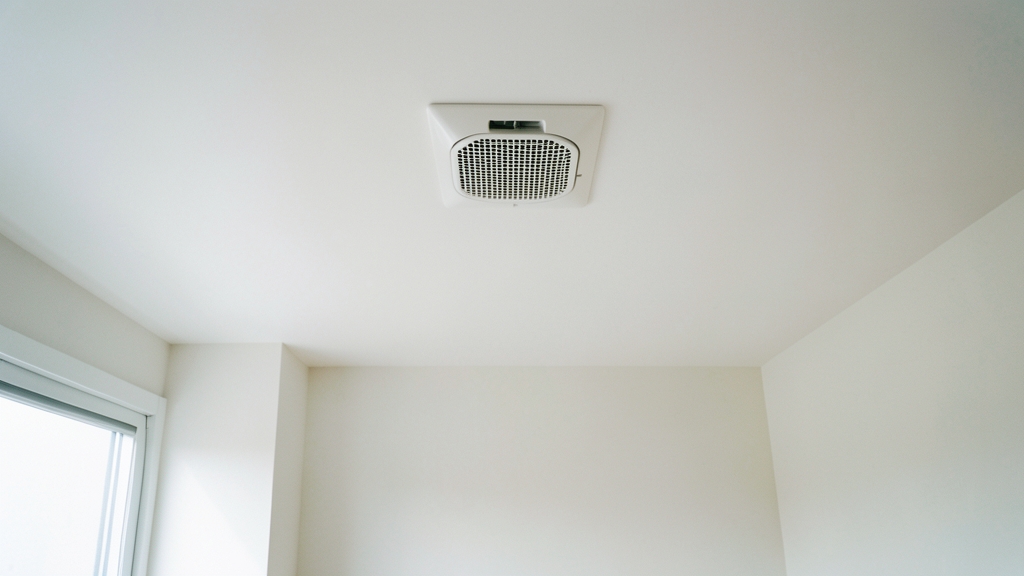
Variable Air Volume (VAV) systems are the workhorses of modern commercial and large residential HVAC setups in our region. But their complex duct networks and dampers collect contaminants fast—especially with Ashland’s seasonal swings. Without routine cleaning, efficiency plummets and indoor air quality suffers.
How VAV Systems Amplify Duct Contamination
VAV systems constantly adjust airflow to different zones, which means dust, pollen, and debris get pulled into the ductwork at varying rates. The dampers and branching ducts create more surface area for buildup than standard systems.
In our dry summers and damp winters, these contaminants mix with moisture, forming a sticky layer that clings to metal surfaces. This isn’t just unsightly—it restricts airflow and forces your system to work harder.
The Hidden Costs of Neglected VAV Ducts
Reduced airflow from clogged ducts leads to uneven heating and cooling, which is a common complaint in older buildings from Talent to Medford. Tenants notice hot or cold spots, but the root cause often goes unchecked.
Energy waste is another silent killer. The U.S. EPA estimates dirty ducts can reduce HVAC efficiency by 20–40%. For VAV systems, that number can climb even higher due to their intricate design.
Ashland’s Climate: A Perfect Storm for Duct Issues
Our valley’s mix of dry heat, wildfire smoke, and winter moisture creates a unique challenge. Smoke particles from nearby fires embed deep in duct linings, while winter dampness encourages mold growth in poorly sealed systems.
Neighboring areas like Phoenix and Central Point face similar issues, but Ashland’s elevation and tree cover can trap pollutants longer. That’s why we recommend more frequent inspections here.
VAV-Specific Cleaning: What Standard Services Miss
Not all duct cleaning is created equal. VAV systems require specialized tools to reach dampers, branch takeoffs, and terminal units. Standard brush-and-vacuum methods often leave these areas untouched.
Our team uses high-pressure air whips and inspection cameras to verify cleanliness in every nook. We also check for damper functionality—something many providers overlook.
Always ask if your provider cleans the VAV boxes and reheat coils. These components collect heavy buildup and directly impact air quality.
Mold and Mildew: The Invisible Threat in VAV Ducts
Mold thrives in the dark, moist environments of poorly maintained VAV ducts. In Ashland, this often starts near condensation points or improperly sealed joints.
Left unchecked, spores spread through the system, triggering allergies and respiratory issues. We use EPA-approved antimicrobial treatments to eliminate mold at the source, not just mask the problem.
Duct Cleaning vs. Full HVAC Maintenance: What’s the Difference?
Many building managers assume a filter change or coil cleaning covers their bases. But duct cleaning targets the entire airflow path—something other services don’t address.
| Service | Primary Focus | Impact on VAV Systems |
|---|---|---|
| Air Duct Cleaning | Entire ductwork network | Restores airflow, removes contaminants from dampers and branches |
| HVAC Coil Cleaning | Evaporator and condenser coils | Improves heat transfer but doesn’t address duct buildup |
| Dryer Vent Cleaning | Clothes dryer exhaust vents | Prevents fire hazards; unrelated to VAV performance |
| Indoor Air Quality Testing | Airborne contaminant levels | Identifies problems but doesn’t resolve duct contamination |
| Mold Treatment | Fungal growth in ducts | Eliminates mold but requires prior cleaning for full effectiveness |
Signs Your VAV System Needs Immediate Attention
Unexplained increases in energy bills are a red flag. So are visible dust puffs from vents or a musty odor when the system kicks on.
If occupants report more allergies or respiratory issues, your ducts could be the culprit. Don’t wait for complaints—schedule an inspection if it’s been over 2 years.
When to Call a Pro
- Visible mold growth around vents or duct seams
- Reduced airflow in certain zones
- Increased dust accumulation on surfaces
- Unusual noises from the ductwork
- Higher-than-normal energy costs
Why Commercial Buildings in Ashland Can’t Afford to Skip This
From schools in Talent to offices in Medford, VAV systems are the backbone of commercial climate control. Dirty ducts don’t just hurt efficiency—they violate OSHA and ASHRAE standards for indoor air quality.
Regular cleaning also extends equipment life, reducing the need for costly replacements. For property managers, it’s a proactive way to avoid tenant turnover and liability risks.
ASHRAE Standard 62.1 requires regular duct inspection for commercial buildings. Neglecting this can lead to failed audits and fines.
How to Prepare for a VAV Duct Cleaning Service
A little prep ensures the process is smooth and effective.
- 1Clear the Area
Remove furniture or obstacles near vents and air handlers. Technicians need 3–4 feet of clearance to access components safely.
- 2Turn Off the System
Shut down the HVAC system 24 hours before service to let dust settle. This helps the cleaning equipment capture more debris.
- 3Secure Sensitive Items
Cover or remove electronics, artwork, or documents near vents. The cleaning process can dislodge fine particles.
- 4Communicate Special Needs
Inform the technician about any known issues, like water damage or previous mold treatments. This helps tailor the approach.
- 5Plan for Downtime
Expect the system to be offline for 2–6 hours, depending on the building size. Schedule cleaning during low-occupancy periods.
Frequently Asked Questions
How often should VAV ducts be cleaned in Ashland’s climate?
We recommend every 3–5 years for most buildings, but high-traffic or smoke-prone areas may need it every 2 years. Factors like occupancy, nearby construction, and wildfire exposure can shorten this window. Request a quote for a tailored schedule.
Can duct cleaning damage my VAV system?
Not if done by professionals using the right tools. Improper methods—like excessive brushing or harsh chemicals—can harm dampers or duct linings. Our team uses soft-bristle tools and HEPA vacuum systems to protect your equipment.
Does duct cleaning help with wildfire smoke residue?
Absolutely. Smoke particles are microscopic and embed deep in ductwork. Standard filters can’t catch them all, but a thorough cleaning removes the bulk of the contamination. For severe cases, we pair this with UV sanitization for added protection.
What’s the difference between residential and commercial VAV duct cleaning?
Commercial systems are larger, with more complex dampers and zoning. They also serve more occupants, so IAQ standards are stricter. Residential VAV setups (common in newer homes near Jacksonville) are smaller but still require specialized attention.
Will cleaning my ducts reduce energy bills?
Yes—by restoring proper airflow, your HVAC system doesn’t have to work as hard to maintain temperature. The savings vary, but many clients see a noticeable drop in costs within the first month. For precise estimates, we factor in your system’s age, size, and current condition.
Do you service areas outside Ashland?
Yes, we cover Talent, Phoenix, Medford, Central Point, and Jacksonville. Travel time may affect scheduling, but our methods and standards remain the same. Request a quote to confirm availability in your area.