Why Your Ashland Home Feels Dusty No Matter How Often You Clean
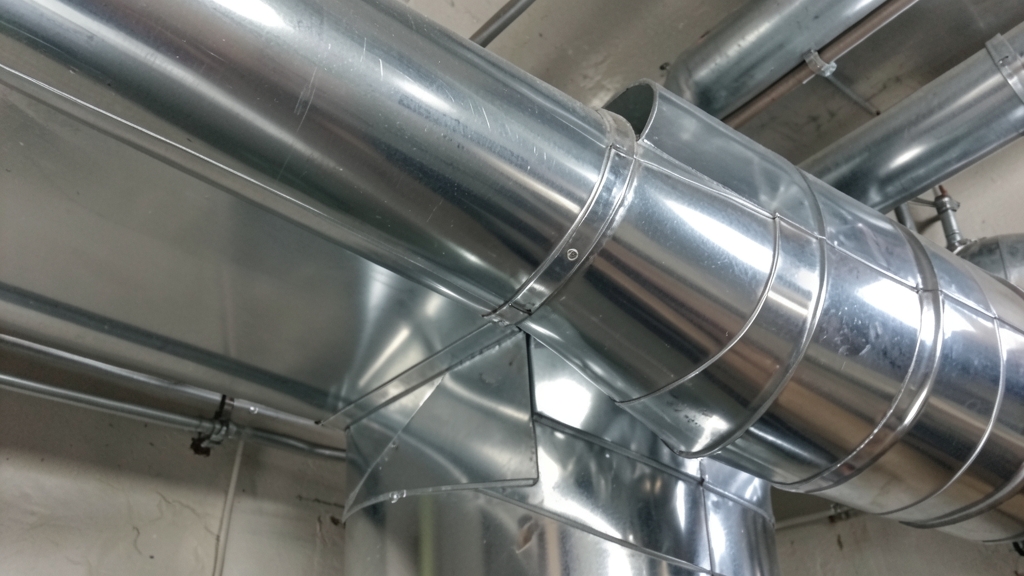
You sweep, mop, and dust every week, yet a fine layer of dust settles on your furniture within days. The culprit isn’t your cleaning routine—it’s likely hidden in your ductwork. Contaminated air ducts recirculate dust, pollen, and debris throughout your home, especially in our dry Rogue Valley summers and wet winters.
Your HVAC System Is a Dust Factory
Every time your furnace or AC kicks on, it pulls air through return vents, across coils, and into ductwork. If those components are dirty, they redistribute dust particles into every room.
In older Ashland homes or those near Talent and Phoenix, aging ductwork often has gaps or poor seals, pulling in attic dust and insulation fibers.
Common Sources of Excess Dust in Local Homes
The Rogue Valley’s seasonal shifts bring unique challenges. Spring pollen and summer wildfire smoke clog filters fast. Winter’s dampness can promote mold growth in ducts, which then spreads as airborne spores.
Pet dander, skin cells, and even cooking grease contribute to the buildup. Without regular HVAC coil cleaning and air filter replacement, these particles keep cycling through your system.
Upgrade to a high-MERV filter (10-13) during wildfire season to capture finer particles. Just ensure your system can handle the increased static pressure.
Signs Your Ducts Are the Problem
Visible dust puffs from supply registers when the system starts are a dead giveaway. So are dark streaks on walls near vents, or a musty odor when the heat turns on.
If you’re dusting more often in winter, it’s often because the furnace is running constantly, pushing more contaminants through dirty ducts.
Red Flags in Your Home
- Dust reappears within hours of cleaning
- Unexplained allergy flare-ups indoors
- Visible mold near vents or in the basement
- Inconsistent airflow from room to room
How Duct Cleaning Solves the Cycle
Professional air duct cleaning removes years of accumulated dust, debris, and biological contaminants from your entire system. We use high-powered vacuums and agitation tools to dislodge buildup in both supply and return ducts.
For homes in Medford, Jacksonville, or Central Point with older systems, we often find rodent nests or insulation fragments in the ductwork—another major dust source.
Duct Cleaning vs. DIY: What You Can’t Reach
A vacuum hose or duster can clean surface-level vent grilles, but it won’t touch the deep contamination in your duct runs. Most homeowners lack the tools to agitate and extract debris from the entire system.
Improper cleaning can also damage flexible ductwork or dislodge contaminants without fully removing them, making the problem worse.
| Aspect | DIY Approach | Professional Service |
|---|---|---|
| Reach | Surface vents only | Entire duct system, including trunk lines and branches |
| Tools | Household vacuum, brushes | HEPA vacuum, air whips, compression tools |
| Contaminant Removal | Partial, superficial | Comprehensive, with source removal |
| Safety | Risk of damaging ducts or spreading contaminants | Trained technicians, controlled process |
| Time | 1-2 hours | 2-6 hours (varies by system size) |
When to Consider Additional Services
If your ducts show mold growth, a standard cleaning may not be enough. We often recommend mold and mildew duct treatment or UV light sanitization for Ashland homes with persistent moisture issues.
Dryer vent cleaning is another overlooked service. Clogged dryer vents not only reduce efficiency but can push lint and dust back into your living space.
Dirty evaporator or condenser coils reduce HVAC efficiency and can harbor mold. HVAC coil cleaning should be part of your regular maintenance, especially before summer cooling season.
How Often Should You Clean Your Ducts?
NADCA recommends air duct cleaning every 3 to 5 years for most homes. But in our area, homes with pets, allergies, or recent renovations may need it more often.
After a wildfire, or if you notice a sudden increase in dust, it’s worth an inspection. Indoor air quality testing can confirm whether contaminants are circulating at unsafe levels.
How to Reduce Dust Between Professional Cleanings
While nothing replaces professional duct cleaning, these steps help minimize dust buildup.
- 1Upgrade Your Air Filter
Switch to a pleated filter with a MERV rating of 8-13. Replace it every 1-3 months, or more often during high-pollen seasons.
- 2Seal Leaky Ductwork
Inspect visible ducts in basements or attics for gaps. Use mastic sealant or metal tape—not duct tape—to seal leaks.
- 3Clean Supply and Return Vents
Remove vent covers and vacuum inside the first few inches of ductwork. Wipe grilles with a damp cloth to prevent dust from being pulled in.
- 4Control Humidity
Use a dehumidifier in damp basements to prevent mold growth. Aim for indoor humidity between 30-50%.
- 5Regular HVAC Maintenance
Schedule annual HVAC tune-ups, including coil cleaning and blower motor inspection, to keep your system running cleanly.
Frequently Asked Questions
Can dirty air ducts make my allergies worse?
Absolutely. Dust mites, pollen, pet dander, and mold spores trapped in ducts get blown into your living spaces, triggering allergies and asthma. Professional cleaning removes these irritants at the source.
Why does my Ashland home get dustier in winter?
Winter means closed windows and constant furnace use. If your ducts are dirty, the system circulates more dust. Dry indoor air also increases static, making dust cling to surfaces longer.
Is air duct cleaning messy?
Not when done professionally. We use containment methods and HEPA vacuums to ensure dust and debris are captured, not spread. Your home stays clean throughout the process.
Do I need duct cleaning if I just moved into a new home?
Surprisingly, yes. Construction dust, drywall particles, and insulation fibers often remain in new ductwork. A thorough cleaning ensures you start with clean air.
How do I know if my ducts have mold?
Visible mold on vents or a musty smell when the HVAC runs are clear signs. For confirmation, we can perform indoor air quality testing or a duct inspection with a borescope camera.
Does duct cleaning improve HVAC efficiency?
Yes. Clean ducts allow better airflow, reducing strain on your furnace or AC. This can lower energy bills and extend your system’s lifespan, especially in older homes common in Talent or Phoenix.