Why Regular Air Filter Changes Matter for Ashland Homeowners
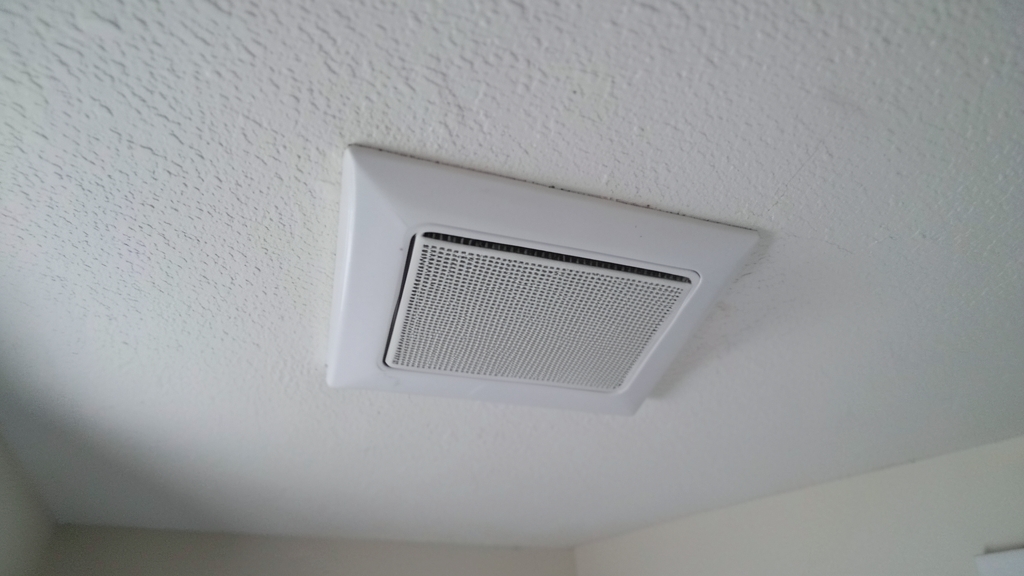
Ashland’s seasonal swings—from summer wildfire smoke to winter inversions—put extra strain on HVAC systems. Regular air filter changes are your first line of defense against poor indoor air quality and premature wear on ducts and coils. We’ll break down why this simple task saves time, money, and your family’s health.
How Dirty Filters Harm Your HVAC System
A clogged filter restricts airflow, forcing your blower motor to work harder. This increases energy use and can shorten the lifespan of components like coils and ductwork.
In Ashland’s dry summers, dust and pollen accumulate faster. Without clean filters, these particles circulate through your ducts, settling in vents and requiring professional air duct cleaning sooner.
Ashland’s Unique Air Quality Challenges
Wildfire season blankets the Rogue Valley with fine particulate matter. Even high-MERV filters need frequent changes to prevent these tiny pollutants from infiltrating your home.
Winter inversions trap cold air and pollutants near the ground. Stale indoor air, combined with sealed homes, makes filter maintenance critical for families in Talent, Phoenix, and Medford too.
If your filter looks gray or black, it’s already overdue. By then, contaminants may have spread into your ductwork, necessitating a full cleaning.
Filter Types and MERV Ratings: What Ashland Homes Need
MERV ratings (1-16 for residential) indicate a filter’s ability to capture particles. Higher MERV filters trap smaller pollutants but may restrict airflow in older systems.
For Ashland homes, we often recommend MERV 8-12 filters. They balance filtration efficiency with HVAC compatibility, especially during high-pollen or smoke seasons.
| Filter Type | MERV Range | Best For |
|---|---|---|
| Fiberglass | 1-4 | Basic dust protection; low airflow resistance |
| Pleated | 5-8 | Pollen, pet dander; good for most Ashland homes |
| HEPA | 17-20 | Wildfire smoke, allergens; requires HVAC compatibility check |
| Electrostatic | 8-12 | Reusable; captures fine particles but needs regular cleaning |
Signs Your Filter Needs Replacing Now
Reduced airflow from vents is the most obvious sign. Check filters monthly during peak seasons—summer and wildfire periods—to avoid straining your system.
Increased dust on surfaces, frequent allergy flare-ups, or a musty odor can indicate a failing filter. These issues often precede the need for duct cleaning or coil cleaning.
Filter Change Red Flags
- Visible dust or debris on the filter surface
- Higher-than-usual energy bills
- Uneven heating or cooling between rooms
- More dust accumulating on furniture
The Domino Effect: From Filters to Duct Cleaning
Neglected filters lead to contaminated ducts. Dust, mold spores, and even rodent debris can build up, requiring professional air duct cleaning to restore system efficiency.
In extreme cases, dirty ducts can harbor mold or mildew, necessitating specialized mold and mildew duct treatment. Regular filter changes help prevent this costly scenario.
Schedule dryer vent cleaning and HVAC coil cleaning annually. These services work together to keep your entire system running efficiently.
DIY vs. Professional Filter Replacement
Most homeowners can replace standard 1-inch filters themselves. Locate the filter slot (usually near the return duct or blower compartment) and slide in a new one, arrow facing the airflow direction.
For high-efficiency systems or custom filters, our team can ensure proper fit and MERV rating. We also offer indoor air quality testing to verify your system’s performance.
How Often Should Ashland Homeowners Change Filters?
As a rule, replace disposable filters every 1-3 months. Homes with pets, allergies, or in high-pollen areas like Jacksonville or Central Point may need monthly changes.
Permanent filters require cleaning every 1-2 months. Always follow the manufacturer’s guidelines and adjust based on local conditions.
How to Replace Your HVAC Air Filter
Follow these steps to keep your system running efficiently between professional cleanings.
- 1Locate the Filter
Find the filter slot, typically in the return air duct or blower compartment. In Ashland homes, this is often in a hallway, basement, or utility closet.
- 2Check the Size
Note the dimensions printed on the old filter’s frame. Common sizes are 16x20, 20x25, or 14x24 inches.
- 3Remove the Old Filter
Slide out the old filter. If it’s caked with dust or bent, it’s long overdue for replacement.
- 4Insert the New Filter
Place the new filter with the airflow arrow pointing toward the blower or furnace. Ensure it fits snugly to prevent bypass.
- 5Set a Reminder
Mark your calendar for the next change. Use phone alerts or tie it to a seasonal task, like preparing for winter.
Frequently Asked Questions
Can a dirty filter cause my energy bills to rise in Ashland?
Yes. A clogged filter forces your HVAC to work harder, increasing energy consumption. In Ashland’s temperature extremes, this can lead to noticeable spikes in utility costs.
Are higher MERV filters always better for my home?
Not always. High-MERV filters (13+) offer superior filtration but can restrict airflow in older systems. We assess your HVAC’s capacity before recommending an upgrade.
How do I know if my ducts need cleaning, not just the filter?
If you see dust blowing from vents, notice moldy odors, or experience uneven heating/cooling, your ducts may need professional cleaning. Filter changes help, but they can’t fix existing buildup.
Do reusable filters save money in the long run?
Reusable filters can be cost-effective if cleaned regularly. However, they require consistent maintenance, and their upfront cost is higher. Disposable filters are often more convenient for busy households.
Can air filter changes improve allergies in Ashland?
Absolutely. Regular changes reduce airborne allergens like pollen, pet dander, and dust mites. For severe allergies, consider pairing filter upgrades with UV light sanitization treatment.
Should I change my filter more often during wildfire season?
Yes. Ashland’s wildfire smoke contains fine particles that quickly clog filters. Check and replace filters every 3-4 weeks during active smoke periods to protect indoor air quality.